Background
Coastal groundwater resources in the Mediterranean face increasing pressures from climate change, sea-level rise, salinization, prolonged droughts and growing water demand, threatening coastal communities, livelihoods and ecosystems.
This session will explore how scientific knowledge, sustained monitoring, ecosystem protection and regional cooperation can guide integrated coastal aquifer management to strengthen climate adaptation and water security. It will highlight the strategic role of sustainably managed aquifers as freshwater reserves during droughts and as sources of water sustaining vulnerable coastal ecosystems.
Aligned with COP31’s thematic priorities on Oceans and Seas, Rio Synergies and climate implementation, the event will connect coastal resilience with biodiversity protection. Discussions will focus on translating scientific evidence into practical management measures, stronger institutional capacities and investment opportunities across the Mediterranean.
Agenda
Welcoming remarks and introduction
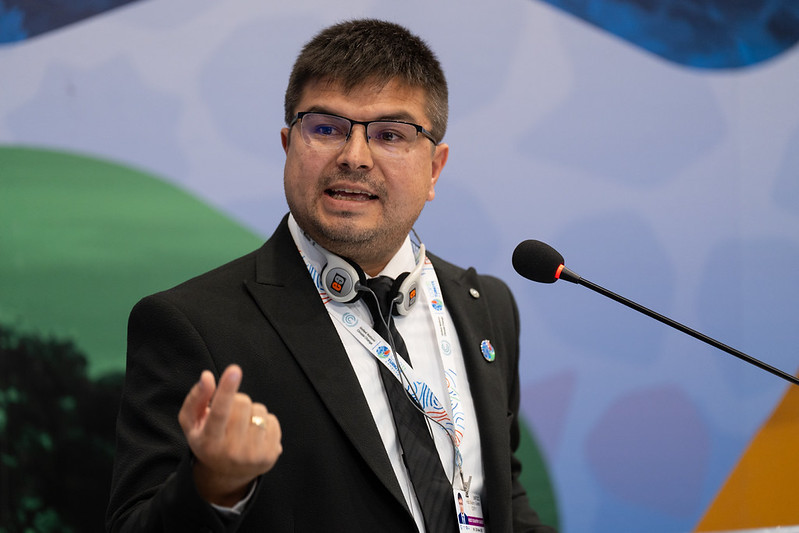
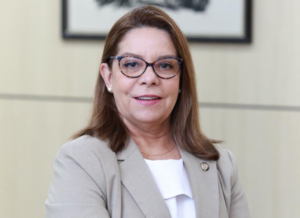
• Dr. Denise Pires de Carvalho, UNESCO Assistant Director-General for Sciences
Technical presentation: on results of UNESCO’s component of coastal aquifers and related ecosystems of the UNEP/GEF MedProgramme
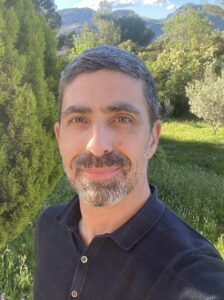
• Mr. Jose Luis Martin, Technical Advisor, UNESCO-IHP
Country perspectives: translating science into policy and governance for sustainable groundwater management
• Ms. Ikram Benchbani, Head of the Planning and Coordination Service, Directorate of Water Research and Planning, Ministry of Equipment and Water, Morocco
• Ms. Jula Selmani, Head of Sector from the Waste Management Directorate, Ministry of Environment, Albania
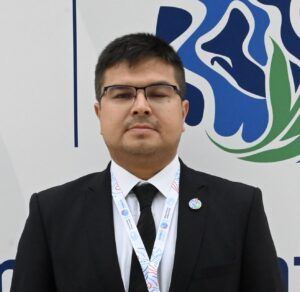
• Mr. Semih Kırca, Groundwater Branch Director, 13th Regional Directorate of State Hydraulic Works (DSİ), Antalya, Türkiye, UNESCO Groundwater Youth Network (GWYN)
Q&A
Closing and take-aways
Expected Outputs
The event will deliver key messages and practical recommendations on the role of sustainable coastal groundwater management in climate adaptation, water security and ecosystem resilience in the Mediterranean. It will increase the visibility and uptake of regional initiatives, particularly the results of UNESCO-IHP’s component of the UNEP/GEF MedProgramme CP2.1, “Mediterranean Coastal Zones, Water Security, Climate Resilience and Habitat Protection”. Drawing on these results, the event will identify opportunities to translate scientific evidence and management recommendations into national adaptation planning, concrete implementation measures and investment priorities. It will also strengthen partnerships among national institutions, scientific organizations, regional bodies and development partners, encouraging follow-up cooperation on monitoring, capacity development, knowledge sharing and the mobilization of finance.