In the Mediterranean region, Climate change acts as a threat multiplier, exacerbating resource scarcity, displacement, and insecurity while disproportionately affecting women and girls.
Our UfM Regional Policy Report From Fragmentation to Integration: Climate, Women, Peace and Security in the Euro-Mediterranean Region, stated that climate change rarely acts in isolation. Rather, it functions as a “risk multiplier”, intensifying existing vulnerabilities, deepening inequalities and exacerbating pressures on communities and institutions.
Women and girls are disproportionately affected by climate-related insecurity due to unequal access to land, water, finance, protection mechanisms and decision-making spaces. However, evidence gathered through the UfM Climate-WPS Network demonstrates that women and youth are not only among the most affected groups but are also essential agents of adaptation, peacebuilding and resilience. Yet their contributions remain insufficiently recognized and systematically excluded from policy design, implementation and financing mechanisms.
Despite growing international recognition of the Climate-WPS nexus, significant governance gaps persist across the Mediterranean. National Action Plans on Women, Peace and Security (WPS), Nationally Determined Contributions (NDCs), climate adaptation plans and disaster risk reduction frameworks continue to be developed and implemented in parallel rather than through integrated approaches. The UfM Policy Report reveals that only 13% of surveyed stakeholders consider WPS and climate frameworks to be fully aligned, while 70% report weak or non-existent coordination mechanisms between gender, climate and security institutions.
COP31 presents a unique political opportunity to move beyond awareness-raising and towards implementation. Building on the findings and recommendations of the UfM Policy Report, this session will convene policy makers, international organizations, civil society representatives and regional experts to discuss practical pathways for integrating climate action, gender equality, peacebuilding and resilience efforts across the Mediterranean.
The session seeks to:
- Present the key findings and recommendations of the UfM Regional Policy Report on Climate Change and the Women, Peace and Security Agenda in the Mediterranean.
- Foster dialogue among governments, UN agencies, financial institutions, civil society organizations on how to scale gender-responsive and peace-sensitive climate action.
- Identify concrete actions and partnerships to strengthen policy coherence, accountability systems, women’s leadership, access to climate finance, and monitoring frameworks.
- Contribute to COP31 discussions on inclusive climate governance, emphasizing the role of women and youth as drivers of resilience, conflict prevention and sustainable adaptation.
This session, organized by the Union for the Mediterranean, will also share the findings of several outputs such as policy briefs from UN Women and OSCE, the UNDP Guidance Note on the nexus and explore practical pathways to bridge the gap between climate action, gender equality, peacebuilding, and sustainable development.
Agenda
11:30 – 11:40- Opening and Presentation of the UfM Policy Report – Anna Dorangricchia, Programme Manager Gender equality, UfM Secretariat
- Welcome and introduction to the Climate-WPS nexus
- Key highlights from the UfM Policy Report on Climate WPS
11:40 – 11:20 Panel Discussion -Moderator: Anna Dorangricchia, Programme Manager Gender equality, UfM
-
UNDP, Rania Tarazi, Gender Team Leader, Amman Regional Hub, Regional Bureau for Arab States (video message)
-
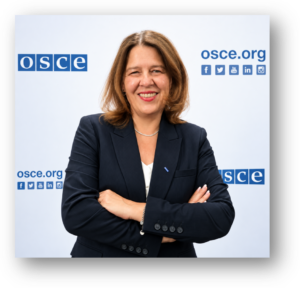
OSCE – Lara Scarpitta, OSCE Senior Adviser on Gender Issues and Head of the Gender Issues Programme
-
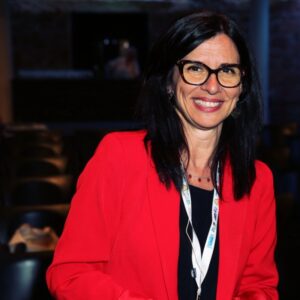
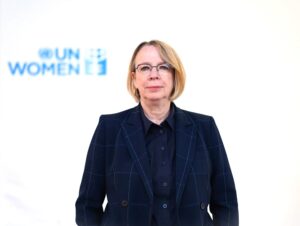
UN Women- Maryse Guimond, Country Director, UN Women Türkiye,
-
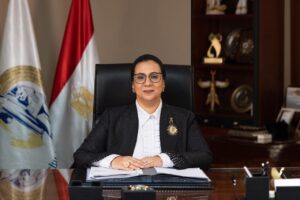
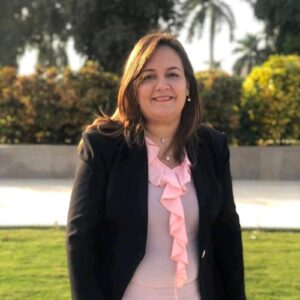
Egypt’s National Council for Women (NCW), H.E. Counsellor Amal Ammar, President (video message)
-
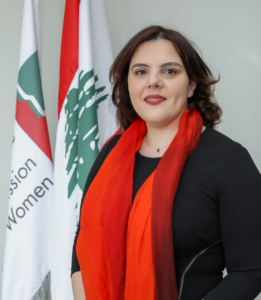
NCLW Lebanon-Dr. Roula Jaafar, Board Member and Head of the Environment Committee at the National Commission for Lebanese Women (NCLW).
-
Nour Mohamed, Member of Climate Reality Project (CSO)
11:20 – 11:30 Interactive Discussion and Closing Messages
- Audience interventions
- Reflections from panelists
- Summary of policy messages and next steps