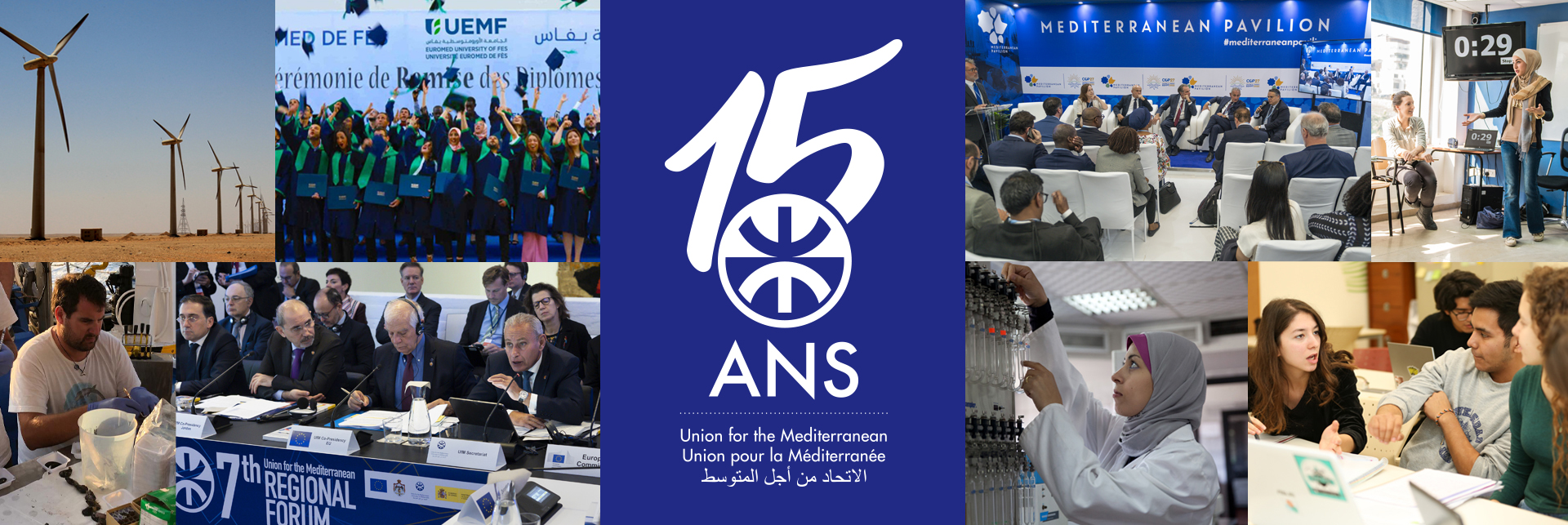
Juillet 2023 marque une étape importante pour l’Union pour la Méditerranée (UpM), qui célèbre son 15e anniversaire.
Créée en 2008 sur la base des valeurs et des réalisations du processus de Barcelone, l’UpM est née des efforts collectifs des dirigeants de l’Union européenne et des pays des rives Sud et Est de la Méditerranée. Elle est devenue depuis un cadre institutionnel essentiel pour le dialogue et la coopération dans la région. Au cours des quinze dernières années, l’UpM s’est efforcée de promouvoir un développement régional durable et inclusif, d’encourager le dialogue et de relever les défis régionaux les plus pressants.
Depuis sa création, l’UpM a entrepris une série d’initiatives visant à promouvoir le développement durable et l’intégration au niveau régional. L’organisation a défendu les droits des femmes, la création d’emplois, le renforcement des efforts de connectivité entre les pays et s’est attaquée aux urgences environnementales et climatiques. Grâce à son engagement en faveur d’une prise de décision fondée sur des données probantes, l’UpM a joué un rôle crucial en dotant les décideurs politiques des outils nécessaires pour promouvoir l’action climatique dans la région.
L’UpM a également donné la priorité aux programmes de subventions et aux programmes visant à encourager l’esprit d’entreprise et les opportunités d’emploi pour les jeunes, reconnaissant ainsi leur rôle crucial dans le façonnement de l’avenir de la région.
En outre, l’organisation travaille sur un instrument unique visant à accélérer les investissements dans l’économie bleue et sur la mise en place d’un instrument régional pour la protection civile. S’appuyant sur la richesse culturelle de la région euro-méditerranéenne, l’UpM a lancé, en collaboration avec la Fondation Anna Lindh pour le dialogue entre les cultures, de nouvelles initiatives visant à célébrer la diversité, à promouvoir le dialogue et à cultiver la compréhension mutuelle.
À ce jour, l’UpM totalise plus de 60 programmes de coopération à l’échelle régionale, qui sont le fruit des agendas adoptés par les pays de l’UpM lors de plus de 30 réunions ministérielles. Les projets et initiatives soutenus par l’UpM s’alignent sur les priorités régionales fixées par les ministres sectoriels et sont développés au sein de diverses plateformes régionales, créant ainsi un cadre de coopération unique dans la région.
Tribune de la co-présidence de l’UpM: “Union pour la Méditerranée, 15 ans de coopération régionale”
15 moments clés de l'histoire de l'UpM
15 ans de coopération multilatérale euro-méditerranéenne
Le 15e anniversaire de l’Union pour la Méditerranée est l’occasion de revenir sur notre parcours collectif vers la promotion d’une région euro-méditerranéenne meilleure et plus forte.
La réalisation de cet objectif commun ambitieux nécessite non seulement une coopération et une coordination régionales qui transcendent les frontières, mais aussi une méthodologie de travail structurée visant précisément à intégrer tous les acteurs de la société par le biais d’une approche ascendante inclusive, se traduisant à terme par un impact tangible pour les citoyens sur le terrain.
Cette méthodologie de travail de l’UpM – résumée par l’expression « les 3P » – s’articule autour de trois piliers d’action complémentaires : les cadres politiques, les plateformes de dialogue et les projets de coopération.
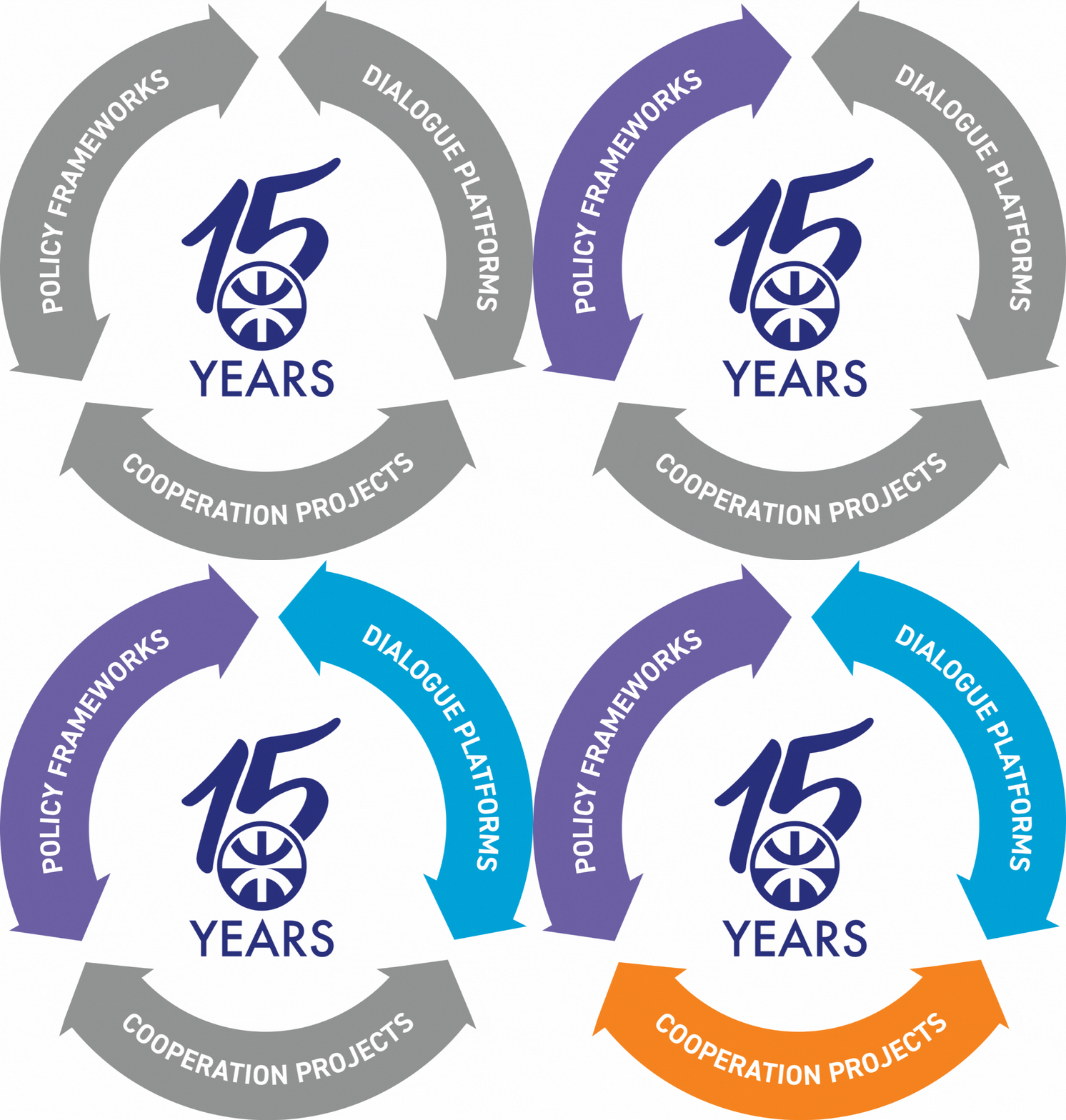
Cadres politiques
Ils définissent des orientations stratégiques partagées et des mandats politiques sur les défis régionaux communs identifiés. Ces orientations stratégiques sont définies par les ministères compétents des États membres.
Les cadres politiques recevront des recommandations des plateformes de dialogue, sur la base des informations recueillies sur le terrain par les projets de coopération.
Ces recommandations politiques seront prises en compte par les ministères concernés et traduites en orientations stratégiques et mandats politiques renouvelés chaque fois que cela est applicable et pertinent.
Plateformes de dialogue
Elles rassemblent diverses parties prenantes (représentants des gouvernements, de la société civile, du monde universitaire, du secteur privé, des institutions, etc.) afin qu’elles apportent leur vision et leur savoir-faire, dans le but ultime de mettre en œuvre les mandats politiques.
La mise en œuvre des mandats politiques peut prendre la forme de projets ou d’initiatives de coopération régionale.
Les plateformes de dialogue centralisent et analysent le retour d’information et les recommandations recueillies sur le terrain dans le cadre des projets de coopération. Sur cette base, les plateformes de dialogue émettront des recommandations politiques destinées à être intégrées aux cadres politiques.
Projets de coopération
L’UpM attribue un label aux projets de coopération par l’approbation unanime de ses 43 États membres.
Les projets peuvent être identifiés par les plateformes de dialogue sectorielles et répondent aux priorités stratégiques fixées par les cadres politiques concernés.
L’expérience acquise sur le terrain, via la mise en œuvre des projets labellisés, alimentera à son tour les plateformes de dialogue : partage des bonnes pratiques, des défis rencontrés ou à venir, et des recommandations visant à apporter des
15 cooperation initiatives
01
Gender Equality: Promoting Women Empowerment for Inclusive and Sustainable Industrial Development in the MENA region
02
Gender Equality: Intergovernmental monitoring mechanism on gender equality
03
Employment: UfM Grant Schemes for employment promotion
Cooperation project

No sustainable future is possible without the 51%
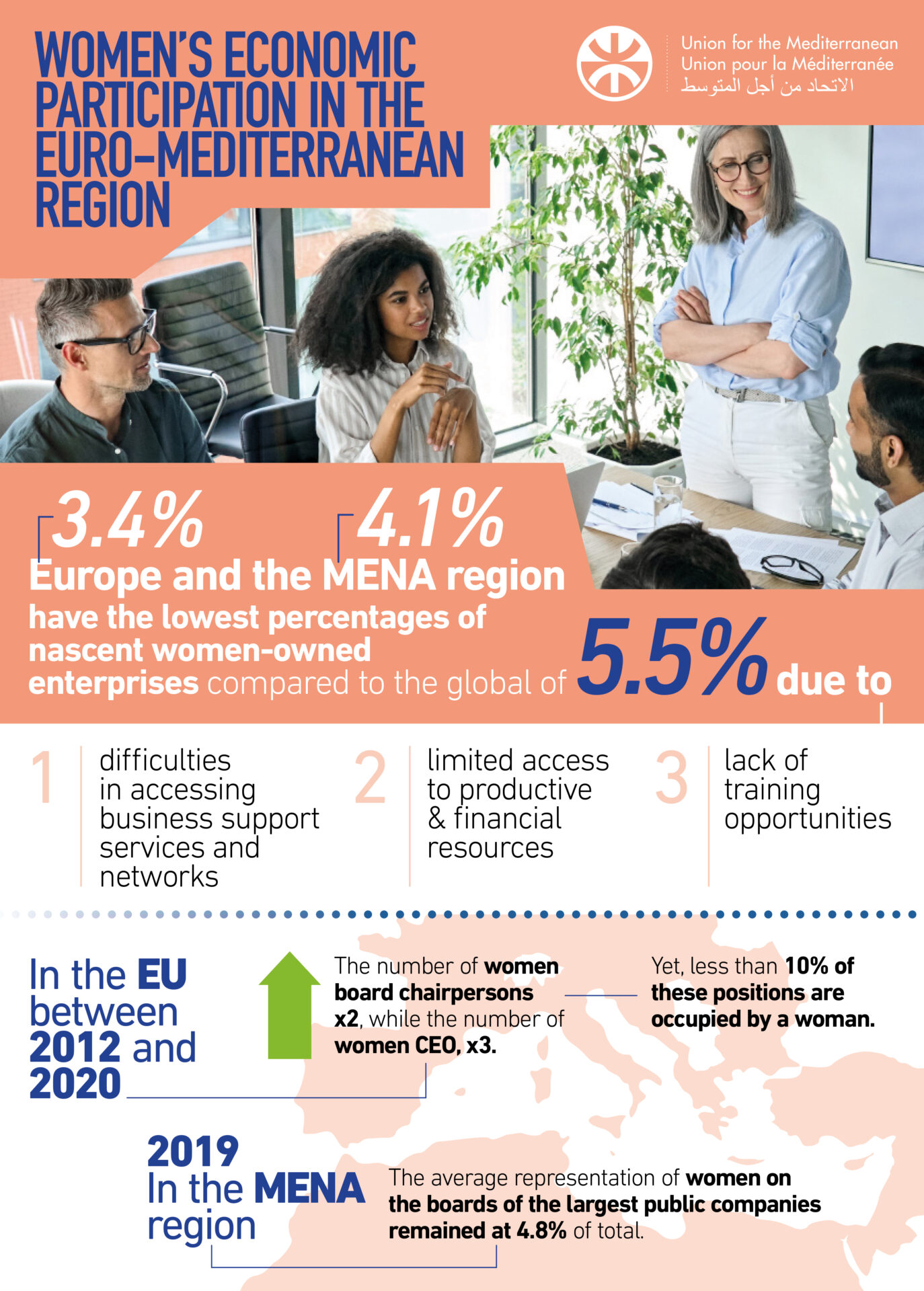
The MENA region has the world’s largest entrepreneurial disparity between men and women – 5% of women-led business compared to a global average of 23%-26% – and one of the weakest female labour participation rates. Women’s economic participation and empowerment are fundamental to strengthening women’s rights. Female entrepreneurship is an untapped source of growth, prosperity and poverty reduction, as well as being key to creating more equitable societies.
The project “Promoting women empowerment for Inclusive and Sustainable Industrial Development in the MENA region”, supported by UfM member states since 2015, was the first in the region to support female entrepreneurship on three levels: macro (policy dialogue), meso (reinforcing the capacities of women’s business associations) and micro (strengthening the entrepreneurship capacities of female entrepreneurs).
Promoted by the United Nations Industrial Development Organization (UNIDO), the project aims at providing data to inform policy recommendations, building the capacities of female entrepreneurs and Businesswomen’s Associations through training programmes and identifying investment opportunities and facilitating access to finance to women entrepreneurs.
Story from the ground

Discover the story of Noora Abdeen-Khalifeh, Palestinian designer and project beneficiary
As spin-off of the UfM-UNIDO partnership, in view of stimulating the creation of networks for female entrepreneurs and women-led businesses in the region, both organisations have joined forces with Business Club Africa, a network with a reach of 6000+ executives across the African continent and around the world, to create and launch the MENA Women Business Club. As a regional chapter of Business Club Africa, new members will have access to an extensive ecosystem of entrepreneurs, lawyers, consultants, executives and investors in sectors as varied as energy, agriculture, mining, tech, construction, finance, retail and distribution that will enable them to network and grow their businesses. The MENA Women Business Club is therefore an important opportunity to intensify Euro-Mediterranean and south-south business linkages and foster investment opportunities including with the diaspora.
Cooperation project
The lack of gender-specific data can hide a lot of inequalities
In the past five years, the UfM Secretariat has worked on the implementation of a regional mandate set by the 4th UfM Ministerial conference on Strengthening the Role of Women in Society (Cairo, 27 November 2017), which identified four priority areas in the Mediterranean: i) to raise women’s participation in economic life, ii) to improve women’s access to leadership and decision-making positions, iii) to change stereotypes through education and culture and iv) to combat gender-based violence.
Mandated by the Cairo Ministerial Declaration in 2021, the UfM launched the first-ever Intergovernmental Monitoring Mechanism on Gender Equality in the Euro-Mediterranean region. After extensive consultations, a set of 20 indicators across the four priority areas were agreed for the mechanism, and a regular monitoring exercise was set up to publish reports every two years in order to measure the progress made in women’s rights.
This ongoing reporting exercise allows the opportunity to provide policy recommendations to close the gender gap at country and regional levels. The initial assessment launched six indicators, based as much as possible on the data and statistics available through existing global databases. Furthermore, experts coordinating the exercise agreed to take on board the impact of COVID-19, showing the strong regional commitment to gathering gender-disaggregated data to inform a resilient pandemic recovery and future action for the Mediterranean. This reporting exercise also supports the implementation of gender-related Sustainable Development Goals throughout the region.
Cooperation project
In the Southern and Eastern Mediterranean, the economic consequences of the COVID-19 pandemic threatened to undo years of economic development
The economic consequences of the COVID-19 pandemic have led to unprecedented economic shockwaves that are directly felt by households worldwide. At risk of losing their employment and livelihood, Mediterranean citizens were forced to adapt to a new world of work and economic activity. People that are already more vulnerable to economic shocks and restricted mobility, such as informal workers, youth and women, are especially affected.
On those grounds, the UfM, with the financial support of the German Development Cooperation, launched the 1st UfM Grant Scheme for Employment Promotion in order to support non-profit organisations with projects aimed at promoting employment during the COVID-19-induced economic crisis in the UfM region.
Four projects have been awarded the UfM Grant, benefitting 18,000 individuals in seven UfM Member States, namely, Greece, Italy, Jordan, Lebanon, Malta, Morocco and Tunisia. These projects are tackling the labour challenges in the fields of entrepreneurship, women’s empowerment, sustainable tourism, as well as education and research with an overall budget of 1.13 million euros.
Story from the ground
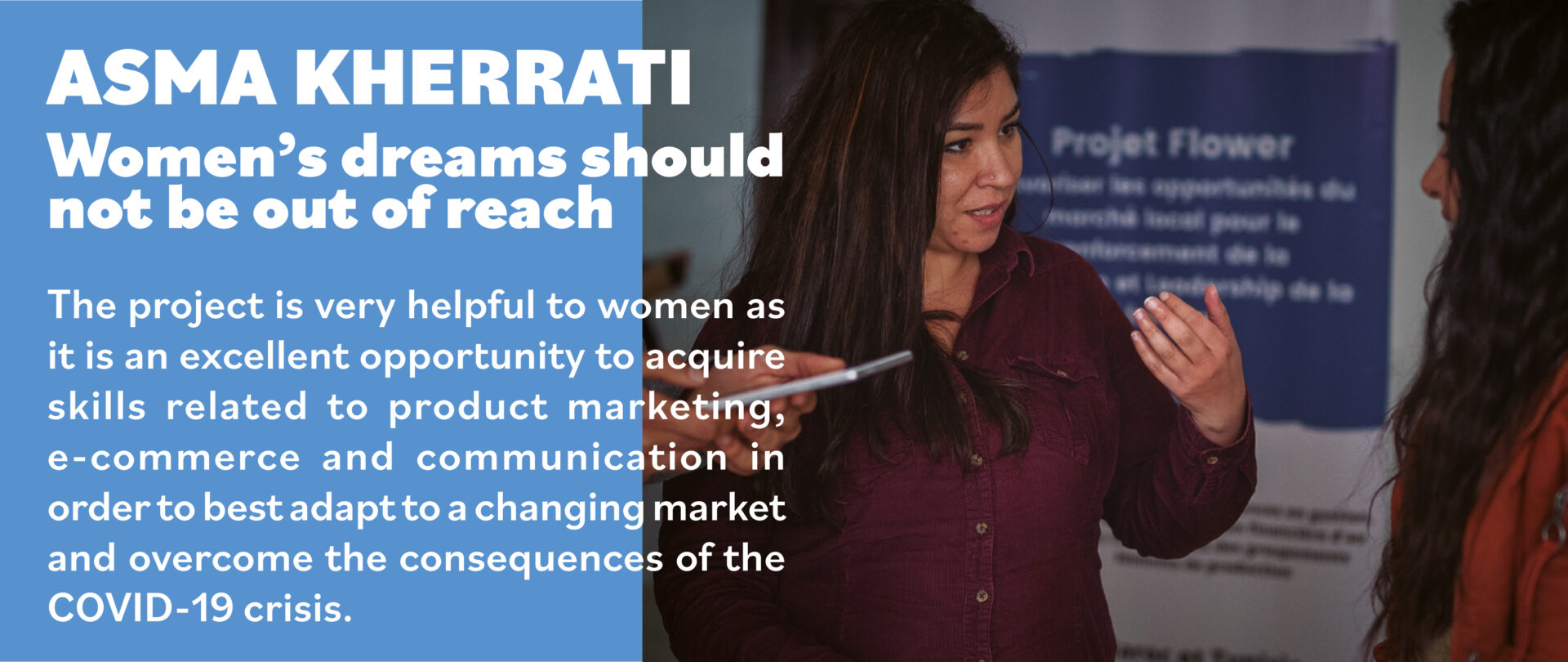
Discover the story of Asma Kherrati, from the FLOWER project, one of the four projects that benefitted from the 1st UfM Grant Scheme!
Given the positive results and impacts of the 1st UfM Grant Scheme, the UfM recently launched a new Grant Scheme to Promote Employment and Entrepreneurship in the Green Economy. This Grant Scheme’s global objective is to support the green transformation of the Southern Mediterranean economies with a view of supporting employment promotion in the green economy, especially designed to benefit vulnerable groups, which are disproportionately affected by the consequences of climate change and the related changing socio-economic landscape.
04
Climate: Mediterranean Experts on Climate and Environmental Change (MedECC)
05
Education: Mediterranean New Chance network (MedNC)
06
Environment: Plastic Busters
Cooperation project
The Mediterranean region warms 20% faster than the rest of the world
As highlighted by the Paris Agreement, the climate emergency is a global problem but with distinct regional ramifications that no country can tackle alone. For the Mediterranean Basin, these regional threats are particularly acute. Seeking to address these challenges, the UfM has been using its unique capacity to bring different players and representatives to the table to coordinate efforts with a scientifically driven, multi-disciplinary and multilateral approach to the crisis. In 2014, UfM Ministers in charge of environment and climate change gathered in Athens on the occasion of the first UfM Ministerial Meeting on Environment and Climate Change.
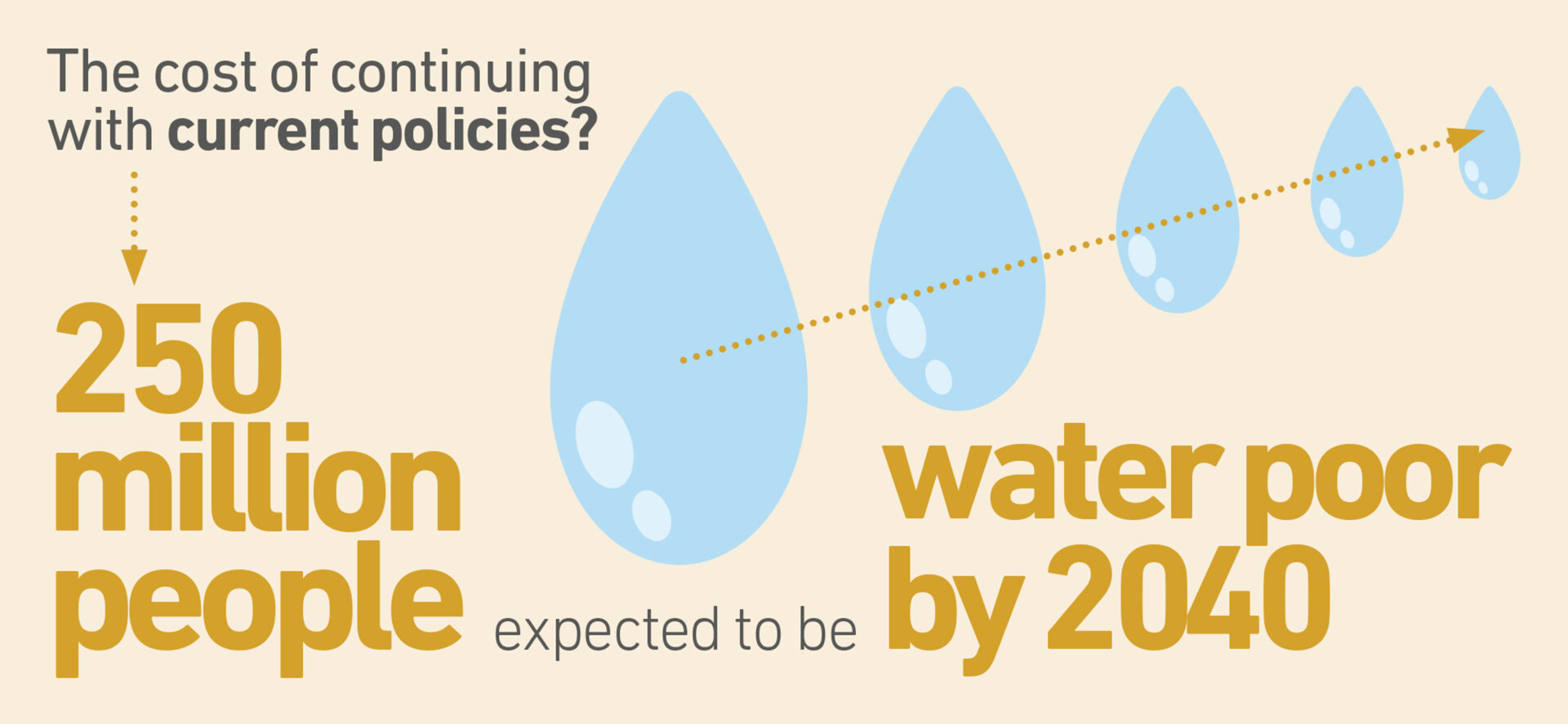
As a result, the network of Mediterranean Experts on Climate and Environmental Change (MedECC) was created in 2015 as an open and independent regional scientific expert network, supported by the UfM and the UN environment. Almost 200 scientists from 25 countries, all contributing in individual capacity and without financial compensation, have been developing reports with the aim to facilitate more effective policy responses to climate change. These efforts resulted in the release of the first-ever scientific report on the impact of climate and environmental change in the Mediterranean. Among its main conclusions, the report shows that the Mediterranean basin warms 20% faster than the global average, and that the region is one of the main climate change hotspots in the world, where 250 million people are projected to be considered “water poor” within 20 years. With current policies, temperatures are expected to increase by 2.2ºC (compared to pre-industrial level) by 2040.
Cooperation project
Up to one in three young people dropped out of school in the Mediterranean region
Our region holds immense potential with one of the youngest populations on the planet. But too many are left behind. Up to a third of our young people dropped out of school early and have no training or employment. This situation perpetuates poverty and social exclusion, where informal jobs become the only solution, leading to precarious living conditions.
The MedNC project, supported by the UfM Member States since 2014, gathers a network of so-called ‘second chance schools’ to help those who have fallen from the system. In these schools, second chance might mean the last chance. Through practical training, tailored according to the students’ natural abilities and interests, the schools give hope to younger generations, rebuilding their confidence in a brighter future, and most of all, in themselves.
Today, the MedNC network gathers over 220 centres across nine countries and benefits over 54,000 young people each school term.
Story from the ground
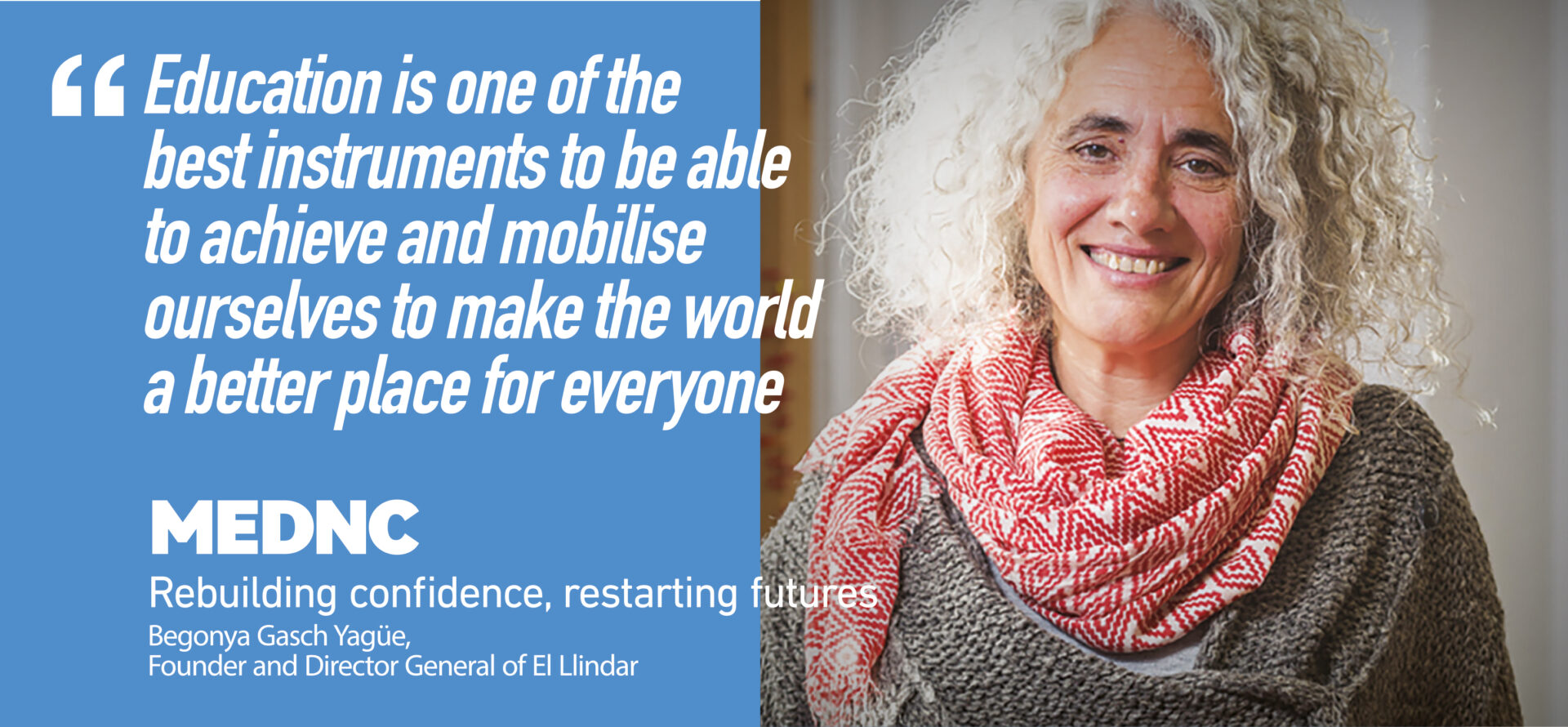
Discover the story of Begonya Gasch, founder of the “El Llindar” second chance school in Barcelona (Spain).
Cooperation project
There could be more plastic than fish in the seas by 2050
In the Mediterranean Sea, 80% of marine litter is made from plastic, including microplastics. What’s more, waste generation in the southern Mediterranean region has grown approximately 15% over the last decade, mostly due to a growing population and increased consumption.
Within this context, UfM member states gave their label and political support to the Plastic Busters project in 2016. Led by the University of Siena (Italy), the project strives to push forward a shared common objective: to effectively tackle the issue of marine litter in the Mediterranean by addressing its entire management cycle, from monitoring and assessment to prevention and mitigation, thus contributing to evidence- and science-based support to governance.
Fast-forward to present day, a new project “Plastic Busters CAP: Fostering knowledge transfer to tackle marine litter in the Mediterranean”, financed by Interreg NEXT Med, kicked off in January 2022 under the umbrella of the UfM-labelled Plastic Busters Initiative, to become an instrument to improve Integrated Coastal Zone Management (ICZM), resulting in better local development planning. The project, which will be implemented in Egypt, Greece, Italy, Jordan, Lebanon, Spain and Tunisia over the course of two years and with a budget of over €1 million, will aim at providing hands-on trainings on marine litter monitoring and at creating a network of coastal cities for a litter-free Mediterranean.

07
Civil Protection: PPRD Mediterranean Programme - “Prevention, Preparedness and Response to natural and man-made Disasters”
08
Energy: Tafila Wind Farm
09
Urban Development: UfM Urban Agenda and Housing Plan
Cooperation project
Disasters know no borders
Regional cooperation on civil protection is one aim of the Barcelona Process to promote peace, stability and security in the Mediterranean. Moreover, with an increasing number of forest fires, floods, earthquakes, marine pollution, pandemics, and other catastrophes across the Euro-Mediterranean area in the last few years, cooperation among UfM Member States in civil protection enjoys high levels of political support.
In the Joint Declaration of the Paris Summit for the Mediterranean, which launched the UfM in 2008, Civil Protection appeared already among the major regional projects that were to shape the mandate of the organisation.
A decade after their last meeting, Directors-General of Civil Protection of the UfM Member States reunited again in 2019, on the impetus generated hand in hand by the UfM Secretariat and the European Commission, launching a reflection to develop an action plan for strengthened Euro-Mediterranean cooperation on prevention campaigns, emergency response and crisis management.
Four years later, this reflection ultimately culminated in the creation of a Mediterranean programme on civil protection, the PPRD-Med programme. With a budget of 3M euros, this ambitious EU regional programme provides strong support to the UfM in civil protection and disaster risk management, given the increasing impact and scope of catastrophes across the Euro-Mediterranean region and will involve Algeria, Egypt, Israel, Jordan, Lebanon, Libya, Mauritania, Morocco, Palestine and Tunisia.
By establishing a regional Civil Protection Mechanism, UfM Member States can play a key role in coordinating common responses to potential disasters and cooperate on risk assessment, crisis prevention, preparedness and planning for when a disaster occurs.

Discover the story of Captain Laurent Alfonso, seconded by the Government of France to the Union for the Mediterranean to support the Euro-Mediterranean dialogue on civil protection.
Cooperation project
Energy demand in the Southern Mediterranean is set to increase by 62% by 2040
The Tafila Wind Farm, owned and developed by the Jordan Wind Project Company, was at its inception a one-of-a-kind project and the first of its kind for its home country, Jordan, but also for the wider Middle Eastern region. In 2010, Jordan was importing 97% of its energy mix. Lacking natural resources as is traditionally understood as oil, gas, metal and stones, the country heavily relied on fluctuating commodity prices that reached a peak following the 2011 so-called “Arab Spring”. Today, renewable energies make up to 20-25% of Jordan’s energy mix, while the country aims to achieve 50% by 2030.
Located in the Tafila Governate, the 117-megawatt wind farm contributes to Jordan’s energy strategy and to regional targets in the field of clean energy. The project aligns with regional goals by helping reduce the country’s high dependency on energy imports while developing renewable energy generation. Tafila also created local job opportunities and generated skills, improved access to energy, increased energy security, and decreased greenhouse gas emissions.
Wind energy is a very promising renewable energy source, and the Tafila Wind Farm was the first renewable project to begin operations in Jordan and provide power to the Jordanian network. It led the way for renewable energy projects in the Mediterranean as a best practice example of partnership between the government and the private sector.
Discover the story of Samer Judeh, co-founder and chairman of the Jordan Wind Project Company
Policy Framework
1st UfM Ministerial Conference on Energy (2013)
2nd UfM Ministerial Conference on Energy (2016)
3rd UfM Ministerial Conference on Energy (2021)
Platform
Cooperation project
80% of the Mediterranean countries’ populations will be concentrated on 10% of the land by 2030
The UfM Strategic Urban Development Action Plan 2040 establishes a common vision to tackling urban challenges in the region. It is the result of a 3-year collaboration between the European Commission and all UfM Member States, aiming to improve the quality of life for all citizens by building better, more inclusive, climate-resilient communities.
The UfM Urban Agenda was launched following the 2nd UfM Ministerial meeting on Urban Development (2017) which mandated the UfM Secretariat to create and coordinate a Regional Platform on Sustainable Urban Development composed of thematic working groups focused on the common priorities identified addressing urban development and governance, affordable and sustainable housing and digital connectivity among other things.
Built around six areas of action, the UfM Urban Agenda promotes science-led, evidence-based, inclusive and integrated planning, investment and implementation of urban projects, with coordination at the local, national and regional governance levels.
As part of the implementation of its Strategic Urban Development Action Plan 2040 and the UfM Housing Action Plan, the UfM joined forces with the World Health Organization (WHO) to support UfM Member States in building capacity and promoting action for health, including through health research, health education and advocacy for health, in all policy domains of the Euro-Mediterranean partnership. In this regard, the UfM and the WHO Regional Office for Europe hosted four joint webinars focusing on the health impact of urban environments. Learn more about best practices gathered on this topic here.
10
Education: Euro-Mediterranean University of Fes (UEMF)
11
Trade: Progress Report on Regional Integration in the Union for the Mediterranean
12
Employment: Med4Jobs
Cooperation project
Empowering the regional centre for Euro-Mediterranean higher education
The UfM-labelled EuroMed University of Fes (UEMF) in Morocco operates as a growing centre of excellence in higher education, research and innovation that aims to build a Mediterranean generation prepared to tackle the region’s needs. Recording a steady increase in Higher education enrolments, the UEMF will have more than 3000 students enrolled in 2024.
By enabling North-South, South-North and South-South mobility through its exchange programmes, the university provides a platform of intercultural dialogue and cooperation between the two shores of the Mediterranean. This intramural university offers high quality multi-dimensional curricula in Engineering and Architecture and in Humanities and Social Sciences, complemented in both cases by cross-cutting classes on Euro-Mediterranean history, civilisations, heritage and languages along with transversal courses in information technologies and entrepreneurship.

Policy Framework
1st Euro-Mediterranean Ministerial Conference on Higher Education and Scientific Research (2007)
Summit of the Heads of State and Government of the UfM Member States, July 2008, Paris (France)
5+5 Dialogue of Ministers of Western Mediterranean countries on Higher Education and Scientific Research and Innovation (2013)
5+5 Dialogue of Ministers of Western Mediterranean countries on Higher Education and Scientific Research and Innovation (2015)
5+5 Dialogue of Ministers of Western Mediterranean countries on Higher Education and Scientific Research and Innovation (2017)
Cooperation project
Trade accounts for more than 1/3 of the Mediterranean region’s GDP
In January 2017, the UfM Ministers of Foreign Affairs adopted the UfM Roadmap for Action aimed at strengthening the role of the UfM in driving enhanced regional cooperation and integration in the Mediterranean. The roadmap identified the need for a Progress Report on Regional Integration to monitor trends, assess progress over time, and inform policymaking.
The Mediterranean has long been a hub of trade, cultural exchange, scientific exploration and leaps forward in human development. In modern times, many of these existing networks and connections have been codified and deepened into formal processes of regional integration – an important means of driving forward shared prosperity. Yet, the region is one of the least economically integrated worldwide. For this reason, the UfM commissioned the Organisation for Economic Co-operation and Development (OECD), to prepare the first edition of the UfM Progress Report on Regional Integration. The report provides key findings and policy recommendations in five domains: trade, finance, infrastructure, movement of people, and research and higher education, along with specific performance indicators that can be used to monitor trends and progress over time.
The report shows that integration has advanced in the UfM region, but progress has been slow and remains below its potential in terms of capacities and resources. Learn more about the report’s findings here.
Policy Framework
UfM Roadmap for Action (2017), adopted at the 2nd UfM Regional Forum – Ministers of Foreign Affairs
Cooperation project
2.8 million young people enter the job market each year in the MENA region
Med4Jobs is a flagship UfM initiative that aims to increase the employability of young people and women, close the gap between labour demand and supply, and foster a culture of entrepreneurship. It is a cross-sector initiative driven by the need for an integrated regional response to job creation.
Launched in 2013, Med4Jobs currently includes 13 labelled projects that benefit over 100,000 young people and women, in addition to supporting the development of MSMEs in the region. The initiative benefits from the expertise of the Med4Jobs Advisory Board, whose members include the ILO, UNIDO, OECD, ETF, GIZ and UNCTAD. Regular meetings bring the advisory board together with other influential organisations and institutions working in employability, job creation and with SMEs in the region.
Check out the video for an overview of some of the projects falling under the Med4Jobs umbrella.
The UfM Ministerial meetings on Employment and Labour (Morocco 2022, Portugal 2019 and Jordan 2016) provide a policy framework for the UfM endeavors in the field. Ministers from all UfM member states have welcomed the UfM Secretariat’s contribution to implementing the UfM action plan on employment, coordination among donors and enhancing policy dialogue by labelling and promoting cooperation projects on youth employability and inclusive growth, under its Med4Jobs integrated regional programme.
13
Water: UfM Water Agenda
14
Environment: Scaling up forests and landscape restoration in the Mediterranean
15
Climate: CLIMA-MED
Cooperation project
Freshwater availability is likely to decrease by up to 15% in the upcoming decades
As one of main climate change hotspots, the Mediterranean region already has over 180 million people who are water poor. While today, 3 out of 4 jobs are water dependent. Joining forces to address the challenge of water security is therefore of utmost importance, not just as a means of allowing economic growth to flourish, but also to safeguard greater stability for communities and tackle one of the root causes of migration. Put simply, progress towards the Sustainable Development Goals will always be hampered without first securing this fundamental human right for all.
The UfM Water Agenda has been elaborated to provide an integral, coherent vision complete with recommendations and proposals for UfM Member States. It facilitates the application of integrated water resource management approaches while including a strategy to encourage the increased financing of much needed water investments. The UfM Secretariat is determined to pave the way for private actors to have a more central role in the water sector as a prerequisite for future sustainable financing. This includes supporting governments in developing a long-term vision on how to involve the private sector, with the necessary policy reforms to ensure the delivery of such a vital service and resource is underwritten with secure and robust plans.
Policy Framework
Platform
Cooperation project
At least 16 animal and plant species in Mediterranean forests are at risk of extinction
Mediterranean forests and other wooded lands in the region make vital contributions to rural development, food security and the alleviation of poverty, as well as to the agriculture, water, tourism, and energy sectors. Yet, protected areas represent only 4.3% of the region’s total surface area. Effective planning, implementation, and monitoring of large-scale programmes mainstreaming Forest and Landscape Restoration (FLR) and promoting joint mitigation and adaptation approaches are critical to achieving climate and restoration goals in the Mediterranean region.
With a total budget of €1,850,000 over a four-year period, the Forest and Landscape restoration project, promoted by the Food and Agriculture Organisation (FAO) and financed by the German Cooperation, is building regional and national capacities for the implementation of FLR programmes. As part of the UfM GreenerMed Agenda, in particular Axis 3 on Biodiversity and Ecosystem Restoration, it received the UfM label, as it directly contributes to the implementation of the UfM Ministerial Declaration on environmental and climate action of Cairo (4 October 2021).
Cooperation project
Without additional mitigation, the regional increase in temperature will reach 2.2°c by 2040
The climate emergency we are facing is a constant reminder of the important role played by every actor of society in shifting the current paradigm. In this regard, cities and regions are the first line of defense. The success of effective measures to mitigate and adapt to the negative effects of climate change depends, to a great extent, on the regulatory measures they enforce, the policies they adopt and the projects and initiatives they implement.
The UfM-labelled Clima-Med project focuses on raising awareness of climate change, generating sustainable local actions, and turning strategy into action in Southern Mediterranean communities. Identified as a climate change hotspot region by the Intergovernmental Panel on Climate Change, the numerous effects of climate change – including increasing water scarcity, rising temperatures and growing rates of desertification – are felt across borders in the Southern Mediterranean region. The increasing frequency of climate change impacts affects both socio-economic development and the geopolitical environment.

The overall objective of Clima-Med is to enhance energy security and adaptive capacity of partner countries while fostering their transition to low carbon and climate-resilient economies, thereby contributing to more stable, efficient, competitive and climate-resilient socioeconomic contexts.