
• English
  • Français
  • العربية
تابعنا
الاتحاد من أجل المتوسط ​​الاتحاد من أجل المتوسط ​​الاتحاد من أجل المتوسط ​​الاتحاد من أجل المتوسط ​​
  • من نحن
    • الاتحاد من أجل المتوسط مؤسسة حكومية دولية تجمع بين الدول الثماني والعشرين أعضاء الاتحاد الأوروبي وستة عشر بلداً من الساحلين الجنوبي والشرقي للبحر الأبيض المتوسط لتشجيع الحوار والتعاون.

      عرض عام   

    • من نحن

      • الدول الاعضاء
      • الهيكل التنظيمي
      • الشركاء
      • الخلفية

      الشفافية والمسؤولية

      • الشفافية والوصول إلى المعلومات
      • التحقيق في الاحتيال والفساد وسوء السلوك
    • الوثائق الرئيسية

      UfM Institutional Brochure UfM How we work

      المزيد    

  • الدور الذي نقوم به
    • يسعى الاتحاد من أجل المتوسط إلى تعزيز التعاون والحوار الإقليميين وتنفيذ مشاريع ومبادرات محددة لها أثر ملموس على مواطنينا بغية تحقيق ثلاثة أهداف استراتيجية، وهي التنمية البشرية والاستقرار والتكامل.

      عرض عام   

    • التنمية الشاملة

      • التنمية الاقتصادية والتوظيف
      • التعليم العالي و البحث
      • الشئون الاجتماعية و المدنية

      التنمية المستدامة

      • المياه و البيئة والاقتصاد الأزرق
      • النقل و التنمية الحضرية
      • الطاقة والمناخ

      بناء الجسور عبر المتوسط

      • يوم المتوسط
      • العواصم المتوسطية للثقافة والحوار
    • كيف نعمل

      • المرجعية السياسية
      • المنصات الإقليمية
      • مشاريع و مبادرات
  • اعمل معنا
    • يعمل الاتحاد من أجل المتوسط انطلاقاً من أمانته العامة التي تأسست في برشلونة في مارس 2010. ينتمي موظفو الأمانة العامة إلى أكثر من 17 جنسية ويعملون في بيئة متعددة الثقافات تعزز التعاون والاتصال والتبادل بين الثقافات.


    • اعمل معنا

      • وظائف شاغرة
      • الموظفين المعارين
      • فرص التدريب الداخلية
      • المشتريات
  • مركز المعلومات
    • طالع أحدث بياناتنا الصحفية ودعوات الصحافة والهوية البصرية والوثائق المؤسسية الرئيسية والصور وغيرها من المعلومات ذات الصلة.


      Download the UfM Visual Identity Guidelines and Logos (zip file)

    • مركز المعلومات

      • ركن الصحافة
      • الأخبار
      • جدول الأعمال
      • إصدارات
      • القصص الإنسانية
    • الاتحاد من أجل المتوسط في وسائل الإعلام

      9 May 2026 – Agence Europe (EN) – The fire season that never ends – by Joan Borrell Mayeur
      إقرا المقال
      9 May 2026 – Agence Europe (FR) – Une saison des feux qui n’en finit pas – par Joan Borrell Mayeur
      إقرا المقال
      7 May 2026 – Al-Dustour – حرائق غابات المتوسط على وشك أن تبدأ مجدداً… بلا حدود
      إقرا المقال
  • للاتصال بنا

The UfM joins the efforts for promoting the transition from informal to formal employment

التنمية الاقتصادية والتوظيف
  • Around 2 billion people around the globe work informally, most of them in emerging and developing countries, including a 68.8% in the Arab World.
  • The absolute majority of these workers do not enjoy social protection, rights at work or decent working conditions, which seriously hampers the sustainable and inclusive development efforts on the ground.
  • Most people end up in the informal economy not out of choice, but out of need in the absence of any other viable and decent alternative that would protect their rights in a properly-functioning labour market.
  • The UfM Secretariat joins the regional and global efforts aiming at accelerating the transition from informal economy to formal employment, adopting the principles of Decent Work and actively addressing the labour-related challenges in the UfM Region.

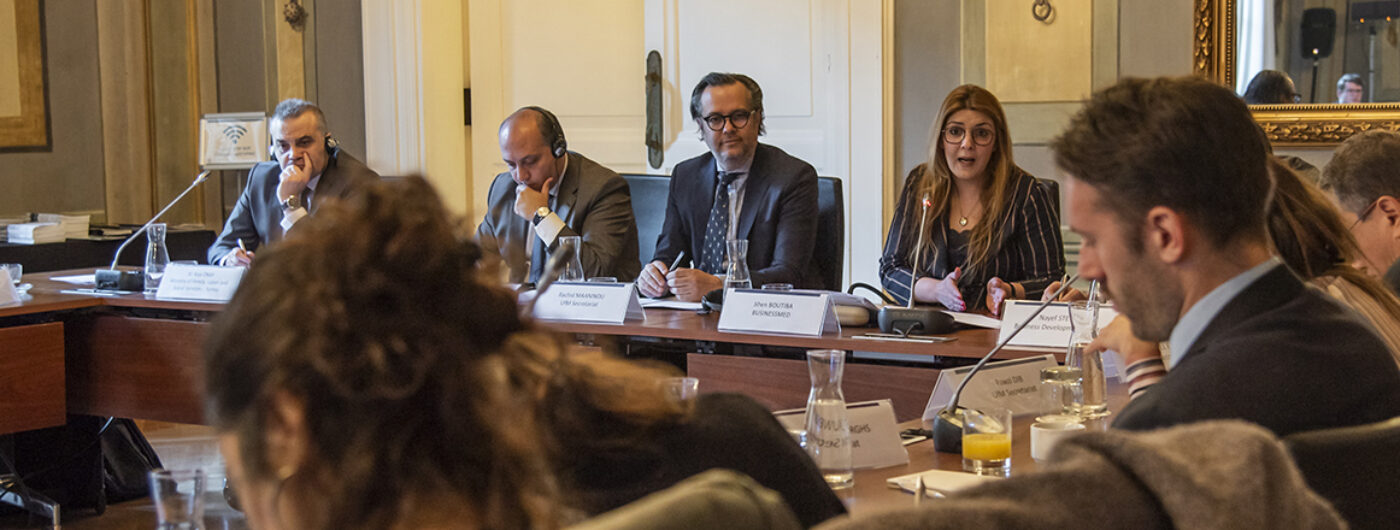
Barcelona, 18 March 2019. Acting upon the UfM Ministerial mandates and in line with the UfM Roadmap’s emphasis on ensuring the contribution of UfM activities to regional stability and human development efforts, the UfM Secretariat organized a Workshop on Informal Business Integration at its premises in Barcelona on 18 March 2019. The Workshop focused on two interrelated thematics, namely the Role of Social Dialogue and the Protection of Women, Young People and Vulnerable Groups in a context of informality.

The Workshop brought together multiple stakeholders from different sectors across the labour market and the employment landscape to exchange views and experiences, share best practices and lessons learned, and present recommendations on how to tackle the transition to formal economy using multidisciplinary and integrated approaches. Perspectives from international organizations, public administrations, NGOs, private sector representatives and social partners were presented throughout the Workshop.

The challenge of transition from informal economy to formal employment is one that affects both shores of the Mediterranean. In addition to presenting a hurdle to the Sustainable Development Goal of Decent Work (SDG 9), it clearly gets in the way of inclusive development. Around 2 billion people around the globe work informally, most of them in emerging and developing countries, including a 68.8% in the Arab World. The escalating migratory pressure witnessed by many countries in the UfM region over the past few years added to the urgency of this challenge, whereas the predominantly heterogeneous character of informal economic activities contributes to the difficulty of formulating a standard solution.

While there are best practices that can inspire integrated approaches to tackling the informality issue, the economic, political and socio-cultural specificities of each country call for a tailored remedy and for a reinforced multi-stakeholders dialogue.

“Social Dialogue in its different modalities plays a fundamental role in reducing the share of informal economy and addressing its many ills,” stated Rachid Maaninou, the UfM Deputy Secretary General for Business Development and Employment. “There is a need to involve the informal sector into structured social dialogue alongside other social partners to ensure equal footing representation and advocacy.”

شارك هذا:

أخر الأخبار

قبيل اليوم العالمي للبيئة.. الاتحاد من أجل المتوسط يدعو إلى تسريع العمل المناخي
03 / 06 / 2026
Bridging the digital skills gap and boosting smart e-governance solutions: promoting digital transformation through a UfM Conference in Antalya
21 / 05 / 2026
للمزيد

اشترك في نشرتنا الإخبارية


جدول أعمال

UfM Senior Officials Meeting (SOM) June 2026
10 / 06 / 2026
Women Leading Change – Training for Universities and their Municipalities
11 / 06 / 2026
للمزيد

مركز المعلومات

  • ركن الصحافة
  • الأخبار
  • جدول الأعمال
  • إصدارات
  • القصص الإنسانية
  • ملف الصور
  • ملف الفيديو

اعمل معنا

  • وظائف شاغرة
  • الموظفين المعارين
  • فرص التدريب الداخلية
  • المشتريات

كيف نعمل

  • المرجعية السياسية
  • المنصات الإقليمية
  • مشاريع و مبادرات

ماذا نفعل

  • التنمية الاقتصادية والتوظيف
  • التعليم العالي و البحث
  • الشئون الاجتماعية و المدنية
  • المياه و البيئة والاقتصاد الأزرق
  • النقل و التنمية الحضرية
  • الطاقة والمناخ
  • يوم المتوسط
  • العواصم المتوسطية للثقافة والحوار

من نحن

  • الدول الاعضاء
  • الهيكل التنظيمي
  • شركاء الاتحاد من أجل المتوسط
  • الخلفية
  • الشفافية والمسؤولية
  • الشفافية والوصول إلى المعلومات
  • المسؤولية والشفافية
بتمويل مشترك من الاتحاد الأوروبي
  • من نحن
    • الدول الاعضاء
    • الهيكل التنظيمي
    • شركاء الاتحاد من أجل المتوسط
    • الخلفية
    • الشفافية والمسؤولية
      • المسؤولية والشفافية
  • الدور الذي نقوم به
    • التنمية الاقتصادية والتوظيف
    • التعليم العالي و البحث
    • الشئون الاجتماعية و المدنية
    • المياه و البيئة والاقتصاد الأزرق
    • النقل و التنمية الحضرية
    • الطاقة والمناخ
  • بناء الجسور عبر المتوسط
    • يوم المتوسط
    • العواصم المتوسطية للثقافة والحوار
  • كيف نعمل
    • المرجعية السياسية
    • المنصات الإقليمية
    • مشاريع و مبادرات
  • اعمل معنا
    • وظائف شاغرة
    • الموظفين المعارين
    • فرص التدريب الداخلية
    • المشتريات
    • قائمة الخبراء
  • مركز المعلومات
    • ركن الصحافة
    • الأخبار
    • جدول الأعمال
    • إصدارات
    • القصص الإنسانية
  • للاتصال بنا
  • English
  • Français
  • العربية
  • English
  • Français
  • العربية
الاتحاد من أجل المتوسط ​​

We are using cookies to give you the best experience on our website.

You can find out more about which cookies we are using or switch them off in .

Powered by  GDPR Cookie Compliance
Privacy Overview

This website uses cookies so that we can provide you with the best user experience possible. Cookie information is stored in your browser and performs functions such as recognising you when you return to our website and helping our team to understand which sections of the website you find most interesting and useful.

Strictly Necessary Cookies

Strictly Necessary Cookie should be enabled at all times so that we can save your preferences for cookie settings.

Analytics

This website uses Google Analytics to collect anonymous information such as the number of visitors to the site, and the most popular pages.

Keeping this cookie enabled helps us to improve our website.