
الثقافة كقوة للحوار: ماتيرا تفتتح عامها بصفتها عاصمة متوسطية للثقافة والحوار 2026
- مع حفل افتتاح أقيم بمسرح دوني، أطلقت مدينة ماتيرا رسميًا عامها كعاصمة المتوسط للثقافة والحوار 2026، حيث جمعت ممثلين عن المؤسسات وفاعلين ثقافيين وشركاء أورومتوسطيين حول رسالة مشتركة قوامها الحوار والتراث والتعاون.
- ونيابة عن الاتحاد من أجل المتوسط، سلطت نائبة الأمين العام للتنمية البشرية بيترا كيزمان الضوء على دور الثقافة كمحرك للسلام والاستقرار والتنمية في جميع أنحاء المنطقة، مع التأكيد على الالتزام المشترك بين ماتيرا وتطوان في المغرب، باعتبارهما المدينتين الحائزتين على هذا اللقب لعام 2026.
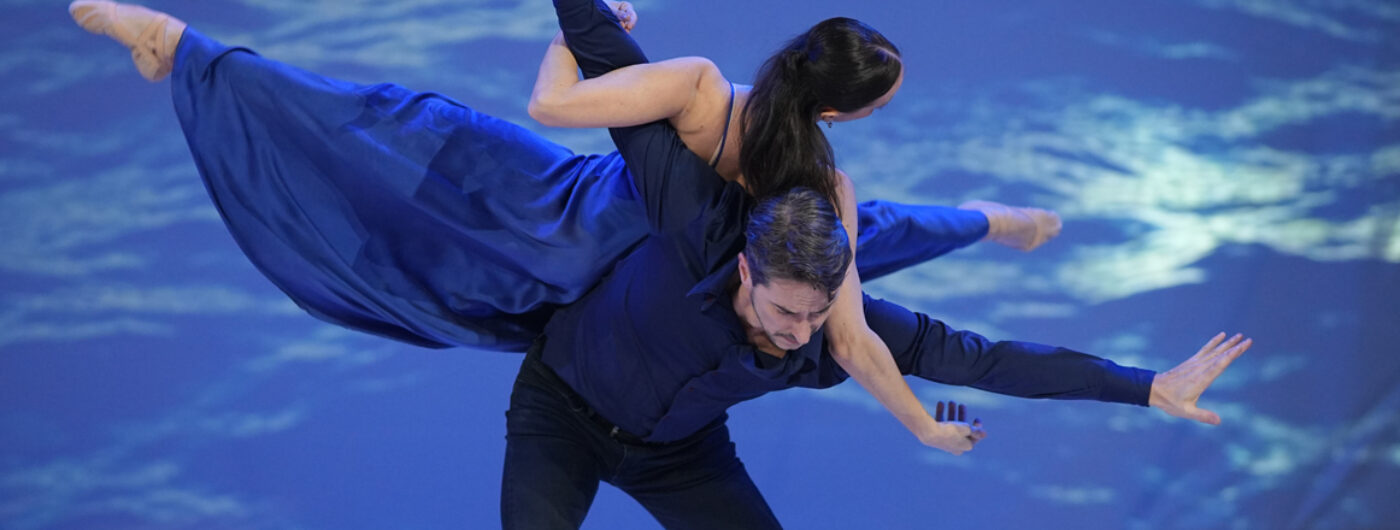
ماتيرا، 20 مارس 2026.”تحت شعار”الورشة المتوسطية: معاصرة ذات جذور عريقة”، حوّل حفل الافتتاح موقع إنشاء مسرح دُوني إلى منصة رمزية لمنطقة البحر الأبيض المتوسط، من خلال توظيف الموسيقى والصور والرقص والرؤى المؤسسية، لتجسيد منطقة تشهد تحولات مستمرة، وللإعلان عن انطلاق عام مدينة ماتيرا كعاصمة متوسطية للثقافة والحوار لعام 2026.”
جمع البرنامج ممثلين عن مدينة ماتيرا، ومنطقة بازيليكاتا، والحكومة الإيطالية، والمفوضية الأوروبية، و مؤسسة آنا ليند وأمانة الاتحاد من أجل المتوسط. إلى جانب العروض الفنية والفواصل الموسيقية، تضمن الحفل مداخلات من مسؤولين حكوميين وشركاء أورومتوسطيين، بمن فيهم المفوضة الأوروبية لشؤون البحر الأبيض المتوسط دوبرافكا سويكا، ونائب الرئيس التنفيذي للمفوضية الأوروبية رافاييل فيتو، والمدير التنفيذي لمؤسسة آنا ليند جوزيب فيري، ونائبة الأمين العام للاتحاد من أجل المتوسط للتنمية البشرية بيترا كيزمان.

و في كلماتها, ذكرت بيترا كيزمان بأن مبادرة العواصم المتوسطية للثقافة والحوار أُطلقها الاتحاد من أجل المتوسط بالتعاون مع مؤسسة آنا ليند، انطلاقاً من قناعة بأن الثقافة أداة أساسية لتحقيق السلام والاستقرار والتنمية في المنطقة. وفي ظل تصاعد التوترات وعدم الاستقرار في مختلف أنحاء المتوسط، نوّهت إلى أنه إلى جانب الصراع والانقسام، تتشكل أيضًا جغرافيا سياسية أخرى في المنطقة، يبنيها أولئك الذين يختارون التعاون على المواجهة، والذين يدركون أن الثقافة والطبيعة قوتان تربطان الناس بجذورهم وببعضهم البعض.
وأضافت نائبة الأمين العام: “يمكن للتعاون الثقافي أن يفتح آفاقاً حيث تعجز أدوات السياسة التقليدية. فهو يجسد الكرامة والذاكرة، ويحفز مشاعر التضامن والمسؤولية، ويذكرنا بأن حماية الناس تعني أيضاً حماية ما يضفي معنى على حياتهم.”
وكانت إحدى الرسائل الرئيسية في مداخلة الاتحاد من أجل المتوسط هي التأكيد على الدور المشترك لكل من ماتيرا وتطوان كحاملتين للقب المزدوج لعام 2026، حيث قالت كيزمان “إن ماتيرا وتطوان في طليعة هذه السردية هذا العام. إنهما ليستا مجرد حاملتين متوازيتين للقب، بل هما مهندستان مشاركتان في مسعى مشترك.”، مشيرة إلى تعاونهما كنموذج للحوار بين المدن والشعوب الذي أُنشىء الاتحاد من أجل المتوسط لتعزيزه في المنطقة الأورومتوسطية.
وقد انعكس هذا الارتباط أيضاً في الحفل نفسه من خلال تكريم تطوان، الذي يرمز إلى الروابط بين ضفتي البحر المتوسط والروح المشتركة للقب 2026.
وبالعودة إلى الرؤية الاستراتيجية للاتحاد من أجل المتوسط، أكدت نائبة الأمين العام، في معرض حديثها عن ميثاق المتوسط، أن التنمية البشرية والروابط بين الشعوب لا تزال في صميم التعاون الإقليمي، معربة عن دعم الاتحاد الكامل لهذه المبادرة، وثقتها بأن نسخة هذا العام ستترك إرثاً دائماً لماتيرا وتطوان ولمنطقة المتوسط ككل.
و تعد مبادرة العواصم المتوسطية للثقافة والحوار مبادرة مشتركة بين الاتحاد من أجل المتوسط ومؤسسة آنا ليند. ومن خلال اختيار عاصمتين توأمتين سنوياً من ضفتي المتوسط، تعزز هذه المبادرة الحوار بين الثقافات، وحماية التراث الثقافي، ودور الثقافة كمحرك للتنمية المستدامة والاستقرار الإقليمي.
لمزيد من المعلومات
كلمة نائبة الأمين العام للاتحاد من أجل المتوسط، بيترا كيزمان
العواصم المتوسطية للثقافة والحوار:

