• English
  • Français
  • العربية
تابعنا
الاتحاد من أجل المتوسط ​​الاتحاد من أجل المتوسط ​​الاتحاد من أجل المتوسط ​​الاتحاد من أجل المتوسط ​​
  • من نحن
    • الاتحاد من أجل المتوسط مؤسسة حكومية دولية تجمع بين الدول الثماني والعشرين أعضاء الاتحاد الأوروبي وستة عشر بلداً من الساحلين الجنوبي والشرقي للبحر الأبيض المتوسط لتشجيع الحوار والتعاون.

      عرض عام   

    • من نحن

      • الدول الاعضاء
      • الهيكل التنظيمي
      • الشركاء
      • الخلفية

      الشفافية والمسؤولية

      • الشفافية والوصول إلى المعلومات
      • التحقيق في الاحتيال والفساد وسوء السلوك
    • الوثائق الرئيسية

      UfM Institutional Brochure UfM How we work

      المزيد    

  • الدور الذي نقوم به
    • يسعى الاتحاد من أجل المتوسط إلى تعزيز التعاون والحوار الإقليميين وتنفيذ مشاريع ومبادرات محددة لها أثر ملموس على مواطنينا بغية تحقيق ثلاثة أهداف استراتيجية، وهي التنمية البشرية والاستقرار والتكامل.

      عرض عام   

    • التنمية الشاملة

      • التنمية الاقتصادية والتوظيف
      • التعليم العالي و البحث
      • الشئون الاجتماعية و المدنية

      التنمية المستدامة

      • المياه و البيئة والاقتصاد الأزرق
      • النقل و التنمية الحضرية
      • الطاقة والمناخ

      بناء الجسور عبر المتوسط

      • يوم المتوسط
      • العواصم المتوسطية للثقافة والحوار
    • كيف نعمل

      • المرجعية السياسية
      • المنصات الإقليمية
      • مشاريع و مبادرات
  • اعمل معنا
    • يعمل الاتحاد من أجل المتوسط انطلاقاً من أمانته العامة التي تأسست في برشلونة في مارس 2010. ينتمي موظفو الأمانة العامة إلى أكثر من 17 جنسية ويعملون في بيئة متعددة الثقافات تعزز التعاون والاتصال والتبادل بين الثقافات.


    • اعمل معنا

      • وظائف شاغرة
      • الموظفين المعارين
      • فرص التدريب الداخلية
      • المشتريات
  • مركز المعلومات
    • طالع أحدث بياناتنا الصحفية ودعوات الصحافة والهوية البصرية والوثائق المؤسسية الرئيسية والصور وغيرها من المعلومات ذات الصلة.


      Download the UfM Visual Identity Guidelines and Logos (zip file)

    • مركز المعلومات

      • ركن الصحافة
      • الأخبار
      • جدول الأعمال
      • إصدارات
      • القصص الإنسانية
    • الاتحاد من أجل المتوسط في وسائل الإعلام

      9 May 2026 – Agence Europe (EN) – The fire season that never ends – by Joan Borrell Mayeur
      إقرا المقال
      9 May 2026 – Agence Europe (FR) – Une saison des feux qui n’en finit pas – par Joan Borrell Mayeur
      إقرا المقال
      7 May 2026 – Al-Dustour – حرائق غابات المتوسط على وشك أن تبدأ مجدداً… بلا حدود
      إقرا المقال
  • للاتصال بنا

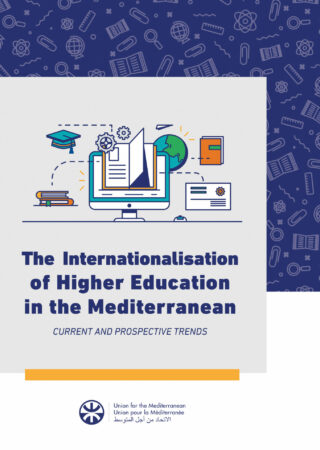
The Internationalisation of Higher Education in the Mediterranean – Current and Prospective Trends

The internationalisation of higher education is aimed at enhancing the quality and standards of teaching and research. This study addresses mobility and cross-border education trends in the Euro-Mediterranean region, with special emphasis on academic exchange, involving students, scholars and administrative staff, as well as on the strategic international partnerships across the globe. The study focuses on 10 countries: Algeria, Egypt, Israel, Jordan, Lebanon, Libya, Mauritania, Morocco, Palestine and Tunisia. It aims to investigate the internationalisation of higher education focusing especially on resources and opportunities available at the national and regional levels, to identify obstacles and challenges and to outline transferable inspiring practices and finally to make a series of recommendations for the Union for the Mediterranean to foster regional integration. As for the methodology, a survey investigating teaching and administrative staff as well as student mobility was submitted to a sample of universities representing the 10 target countries; further interviews with international and regional stakeholders were conducted, focus groups were established, involving the universities covered by the study and a thorough desk research was undertaken.

As a result, the report presents a detailed context analysis with a focus on mobility flows to and from the 10 target countries, complemented by a wide range of inspiring and scalable practices, as well as an overview of the role played by regional organisations in providing opportunities, creating synergies and making resources available for the higher education institutions in the Mediterranean. Country-specific recommendations were designed in order to address national challenges. At the end of the research and consultative process, a number of common themes for the Euro-Mediterranean region were also identified, in relation to which additional recommendations were drafted, with the aim of enhancing the internationalisation of higher education in the region.

We are still far from the finish line and this report has the ambitious goal to represent a building block for those willing to further explore the issue. Here follow the main findings, which are common to more than one country: Erasmus+ emerged as the programme generating the largest impact on the internationalisation strategies of higher education institutions; the need for university leadership to consider the administrative staff as a key element to support internationalisation; the high fragmentation in the procedures and systems of credit recognition and assessment of qualifications; difficulties were encountered in collecting reliable and comparable data. Obtaining visas for international mobility, especially for MENA countries to access Europe, has always been a serious obstacle to exchanges and international cooperation should focus more on human and social sciences, often neglected compared to hard sciences. Above all, the study highlights how, in most cases, internationalisation is simply identified as mobility, while a more comprehensive internationalisation strategy would be highly beneficial for institutions and staff and may increase attractiveness and participation.

Authors: (in alphabetical order): Maria Giulia Ballatore, Raniero Chelli, Federica De Giorgi, Marco Di Donato, Federica Li Muli, Silvia Marchionne, Anne-Laurence Pastorini, Eugenio Platania, Martina Zipoli

June 2021
 

PDF  

…Other publications you may like

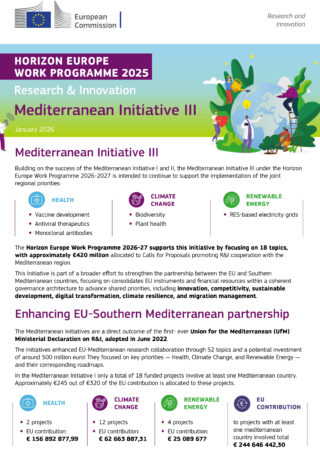
Mediterranean Initiative III – Horizon Europe work programme 2025: research & innovation
From Research to Business: Turning Knowledge into Jobs, Innovation, and Growth
Enhancing Digital Education in the Mediterranean
Integrating Green Skills into Education and Research – The Role of Universities and Research Centres

مركز المعلومات

  • ركن الصحافة
  • الأخبار
  • جدول الأعمال
  • إصدارات
  • القصص الإنسانية
  • ملف الصور
  • ملف الفيديو

اعمل معنا

  • وظائف شاغرة
  • الموظفين المعارين
  • فرص التدريب الداخلية
  • المشتريات

كيف نعمل

  • المرجعية السياسية
  • المنصات الإقليمية
  • مشاريع و مبادرات

ماذا نفعل

  • التنمية الاقتصادية والتوظيف
  • التعليم العالي و البحث
  • الشئون الاجتماعية و المدنية
  • المياه و البيئة والاقتصاد الأزرق
  • النقل و التنمية الحضرية
  • الطاقة والمناخ
  • يوم المتوسط
  • العواصم المتوسطية للثقافة والحوار

من نحن

  • الدول الاعضاء
  • الهيكل التنظيمي
  • شركاء الاتحاد من أجل المتوسط
  • الخلفية
  • الشفافية والمسؤولية
  • الشفافية والوصول إلى المعلومات
  • المسؤولية والشفافية
بتمويل مشترك من الاتحاد الأوروبي
  • من نحن
    • الدول الاعضاء
    • الهيكل التنظيمي
    • شركاء الاتحاد من أجل المتوسط
    • الخلفية
    • الشفافية والمسؤولية
      • المسؤولية والشفافية
  • الدور الذي نقوم به
    • التنمية الاقتصادية والتوظيف
    • التعليم العالي و البحث
    • الشئون الاجتماعية و المدنية
    • المياه و البيئة والاقتصاد الأزرق
    • النقل و التنمية الحضرية
    • الطاقة والمناخ
  • بناء الجسور عبر المتوسط
    • يوم المتوسط
    • العواصم المتوسطية للثقافة والحوار
  • كيف نعمل
    • المرجعية السياسية
    • المنصات الإقليمية
    • مشاريع و مبادرات
  • اعمل معنا
    • وظائف شاغرة
    • الموظفين المعارين
    • فرص التدريب الداخلية
    • المشتريات
    • قائمة الخبراء
  • مركز المعلومات
    • ركن الصحافة
    • الأخبار
    • جدول الأعمال
    • إصدارات
    • القصص الإنسانية
  • للاتصال بنا
  • English
  • Français
  • العربية
  • English
  • Français
  • العربية
الاتحاد من أجل المتوسط ​​

We are using cookies to give you the best experience on our website.

You can find out more about which cookies we are using or switch them off in .

Powered by  GDPR Cookie Compliance
Privacy Overview

This website uses cookies so that we can provide you with the best user experience possible. Cookie information is stored in your browser and performs functions such as recognising you when you return to our website and helping our team to understand which sections of the website you find most interesting and useful.

Strictly Necessary Cookies

Strictly Necessary Cookie should be enabled at all times so that we can save your preferences for cookie settings.

Analytics

This website uses Google Analytics to collect anonymous information such as the number of visitors to the site, and the most popular pages.

Keeping this cookie enabled helps us to improve our website.