COP31
MEDITERRANEAN
PAVILION IN ANTALYA, TÜRKIYE
(9-20 Nov, 2026)
FROM DIALOGUE TO ACTION
UfM opens call for side events at the Mediterranean Pavilion at COP31.
Submit your proposal through the online application form by 1 October 2026 and join the Mediterranean Pavilion in shaping the region’s contribution to COP31.
Raising awareness of the Climate challenges in the Mediterranean
The Union for the Mediterranean (UfM) is joining forces with other Mediterranean stakeholders to organize and promote a Mediterranean Pavilion of the UN Conference of the Parties CoP31, that is bound to gather public and private stakeholders
The Pavilion’s mission is clear: to present a united Mediterranean contribution to the UN climate process, ensuring that the region’s unique challenges and solutions are visible, heard, and influential.
COP31 will be a landmark edition, marking the first time the COP takes place on the shores of the Mediterranean. Hosted and presided over by Türkiye, a UfM Member State, this “homecoming COP” carries particular strategic and symbolic weight for the region. It also coincides with the 10 year anniversary of the Paris Agreement and 20 years since the Kyoto Protocol entered into force. In an increasingly fragmented geopolitical context, reaffirming and strengthening multilateralism has rarely felt more urgent if the world is to stay on track to limit warming to 1.5°C.
The Mediterranean is a recognized climate hotspot, warming 20% faster than the global average and facing mounting pressure from extreme heat, water scarcity, rising sea levels and biodiversity loss. These pressures act as threat multipliers, deepening existing social, economic and political strains and putting the region’s security, prosperity and resilience at risk.
The Mediterranean Pavilion at COP31 will serve as a shared space for all Mediterranean stakeholders, from Member States to academia, the private sector and civil society. It will be an inclusive and dynamic platform that showcases the region’s leadership and commitment to climate action and sustainable development, and reflects this edition’s significance as a true homecoming moment for the Mediterranean on the global stage.
If you are a journalist interested in receiving further information please write to media@ufmsecretariat.org
If you wish to access all press releases, high-res photos and TV quality footage, visit our shared drive.
A Welcome Message from the UfM Secretary General
The Mediterranean Pavilion is fundamentally a multi-stakeholder coalition effort, and it will continue to expand this inclusive approach at COP31.
The partners include the European-Mediterranean Economists Association (EMEA), Interreg NEXT MED, MedECC, MedWaves, UNEP – Mediterranean Action Plan (UNEP-MAP) and the Generalitat de Catalunya.
For further information on partnerships, please contact us at medpavilion@ufmsecretariat.org
If you wish to access all press releases, high-res photos and TV quality footage, visit our shared drive.
Partners

CELEBRATING THE MEDITERRANEAN
Flagships projects and initiatives in the Mediterranean
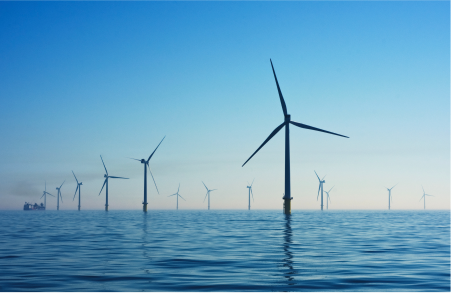
New regional partnership aims to turn renewable energy ambitions into action, strengthen cooperation and unlock investment, supporting a target of 1 TW of installed renewable energy capacity across the Mediterranean by 2030.
Antalya, Türkiye | 10 November 2026. The Mediterranean has enormous potential to become a major hub for renewable energy. Harnessing it, however, requires more than ambitious targets: it calls for stronger regional cooperation, better planning, technical expertise and investment in projects that can make the energy transition happen.
Against this backdrop, the Union for the Mediterranean (UfM) and the TeraMed Initiative today announced a new partnership to help accelerate renewable energy deployment and strengthen energy cooperation across the region. The announcement was made at a high-level event at the Mediterranean Pavilion in COP31 in Antalya, bringing together regional and international stakeholders committed to advancing the Mediterranean’s clean energy transition.
Turning regional ambition into concrete action
TeraMed is a regional initiative that aims to accelerate the development of renewable energy across the Mediterranean, with the ambition of reaching 1 terawatt (TW) of installed renewable energy capacity by 2030. Its approach recognises that achieving this scale of transformation requires countries and stakeholders to work together: aligning policies, improving energy-system planning, developing viable projects and mobilising the finance needed to bring them to life.
By joining forces, the UfM and TeraMed will connect the UfM’s intergovernmental platform and regional policy dialogue with TeraMed’s focus on accelerating renewable energy deployment. Their collaboration will concentrate on three complementary areas:
- Stakeholder engagement and policy exchange: Facilitating dialogue and knowledge-sharing among UfM Member States, policymakers, technical experts, research institutions, civil society and private-sector stakeholders to support the implementation of shared regional energy priorities through the UfM Regional Platform on Energy and its three working groups.
- Energy-system modelling and technical analysis: Advancing research and analytical work, such as tracking and monitoring energy transition in the Mediterranean region, in line with the UfM Ministerial Declaration on Energy, adopted in 2021. This will help inform decisions on renewable energy deployment, electricity-market integration, cross-border interconnections and system flexibility.
- Finance mobilization and private sector engagement: Strengthening coordination among public, private, philanthropic and development finance actors, while exploring opportunities to improve project readiness and connect small and medium-scale projects with potential sources of financing.
The partnership reflects a shared understanding that accelerating the Mediterranean energy transition requires political commitment to go hand in hand with technical expertise, investment and sustained cooperation across the region. It will also seek synergies and complementarity with other regional initiatives, including the European Union’s T-MED initiative.
A Memorandum of Understanding (MoU) between the UfM and the TeraMed Initiative will provide the framework for the collaboration. It is expected to be finalised and signed by both parties, paving the way for implementation in 2027.
The partnership reflects a shared understanding that accelerating the Mediterranean energy transition requires political commitment to go hand in hand with technical expertise, investment and sustained cooperation across the region. It will also seek synergies and complementarity with other regional initiatives, including the European Union’s T-MED initiative.
“The Union for the Mediterranean highly values cooperation with regional partners and stakeholders as a cornerstone of advancing the clean energy transition and decarbonization agenda across the Mediterranean. TeraMed represents an ambitious and promising initiative that can make a meaningful contribution to this shared objective. Working in support of the T-MED initiative and alongside other regional efforts, TeraMed demonstrates the importance of collective action in accelerating renewable energy deployment and enhancing energy interconnectivity. As an organization serving the interests of its 43 Member States, the UfM remains committed to supporting and promoting initiatives that foster sustainable energy development and place the Euro-Mediterranean region on a credible pathway towards achieving net-zero emissions”, said Joan Borrell, Deputy Secretary General for Stability and Resilience, Union for the Mediterranean.
“Complementing the UfM’s regional leadership and energy platform, the TeraMed Initiative unites essential perspectives and momentum from across philanthropy, think-tanks, civil society and renewable energy business groups. Together, UfM and TeraMed aim to accelerate an integrated Mediterranean energy transition based on largescale renewable deployment, cross-border grid interconnections, and sustainable green industrialisation. Deploying the Mediterranean’s first TeraWatt in renewable energy is a key opportunity for investment, economic development and enhanced prosperity in the region” said Dr. Jauad El Kharraz, Senior Advisor, TeraMed.
About the UfM: the UfM is an intergovernmental organization bringing together countries from across the Mediterranean to promote regional dialogue, cooperation and integration. It supports joint action on shared regional priorities, including sustainable development and energy transition, notably through its Regional Platform on Energy.
About TeraMed: TeraMed is a Mediterranean initiative bringing together non-state actors, including think tanks, environmental NGOs, private-sector associations and philanthropic organizations, to accelerate renewable energy deployment across the region, with the ambition of reaching 1 terawatt (TW) of installed renewable energy capacity by 2030. It works to translate shared ambition into implementation through policy alignment, regional cooperation, inclusive finance and just transition approaches, supporting a secure, clean and integrated Mediterranean energy system.
- When: November 16, 2026 – 10:30 AM (TRT/UTC+3)
- Where: COP31 Press Conference Room 1 (Mevlana), Area D2-D3
- Language: English
- A streaming link for journalists not onsite will be available here
The Mediterranean is one of the world’s deadliest and most congested migration routes. It is also a climate change hotspot warming 20% faster than the global average that has historically faced geopolitical instability. How can these factors converge to shape future migratory patterns in this environmentally vulnerable region?
Union for the Mediterranean Deputy Secretary General Joan Borrell and University of Salento scientist Piero Lionello from the Mediterranean Experts on Climate and Environmental Change will discuss the network’s latest findings on the matter. Environmental change, conflict, and human migration in the Mediterranean Basin assesses the latest scientific, technical, and socioeconomic literature available with the aim of informing policies that minimise human suffering and support regional stability.
Building on the groundbreaking First Mediterranean Assessment Report (MAR1), the first-ever region-wide scientific report on climate change and environmental degradation in the Mediterranean, this new report comes as the UfM-supported network is gearing up to publish an updated analysis of the Mediterranean’s unique climate and environmental challenges.
Given the impact of environmental change on our region, the UfM is once again hosting the Mediterranean Pavilion at this year’s COP, the first to take place on the shores of our shared sea. The UfM, alongside the COP31 host country, is also behind the Antalya Mediterranean Climate Dialogue consultation process to strengthen Mediterranean cooperation on climate action. By joining forces with key regional players, the UfM ensures the Mediterranean is present in global climate processes.
About MedECC
The Mediterranean Experts on Climate and Environmental Change (MedECC) is an independent network of scientists founded in 2015 to provide decision-makers and the public with assessments of the latest scientific information available. To date, more than 350 experts from 40 countries have contributed to MedECC reports. The MedECC Secretariat is hosted in Marseille by Plan Bleu, one of the Regional Activity Centres of the Mediterranean Action Plan (MAP) of the UN Environment Programme (UNEP), in partnership with the Union for the Mediterranean.
About the UfM
The Union for the Mediterranean is a Euro-Mediterranean intergovernmental organisation that brings together the EU27 and 16 countries from the Southern and Eastern Mediterranean. It provides Member States with a platform to strengthen regional cooperation and dialogue and to implement impactful projects and initiatives to meet the region’s three strategic objectives: stability, inclusive development, and integration.
For interview requests or information under embargo
Cristina Tomàs, Press officer
cristina.tomas@ufmsecretariat.org
+34 691 519 634
Journalists can consult the full programme on the Mediterranean Pavilion website in addition to the press dossier for further information, story ideas, and interview opportunities. Press releases, high-res photos and TV quality footage can be accessed here.
- The Mediterranean Pavilion brings together a coalition of institutions, scientists, civil society and the private sector to advance regional climate action from November 10 to 20 at the first-ever UN climate conference on the shores of the Mediterranean.
- In a region warming significantly faster than the global average, the pavilion presents a united Mediterranean contribution to the UN climate process, ensuring its unique challenges and solutions are heard. Practical responses to extreme heat, water scarcity, biodiversity loss and the energy transition will be advanced.
- Activity highlights include the launch of almost 50 green transition projects worth over €120 million, new climate resilience partnerships and new scientific data on the impact of environmental change on migration in the Mediterranean region.
10 November 2026, COP31 Antalya. The Union for the Mediterranean is once again hosting a Mediterranean Pavilion at this year’s COP, ensuring the region’s climate priorities and solutions are present at the international climate conference. Organised in partnership with Interreg NEXT MED, the Anna Lindh Foundation and the United Nations Environment Programme’s Mediterranean Action Plan (UNEP/MAP)’s Climate Change Regional Activity Centre in Istanbul, it will be located in the conference’s Blue Zone from 10 to 20 November. The Mediterranean Pavilion provides regional stakeholders with a shared space to connect climate commitments with practical action and build on the cooperation established in its first edition at COP27 in 2022.
This year’s conference in the UfM Member State of Türkiye carries particular strategic and symbolic weight for the region. One of the world’s most vulnerable regions to climate change, average temperatures in the Mediterranean are already 1.5°C above pre-industrial levels. The region’s more than 500 million inhabitants face increasingly severe heatwaves, droughts, wildfires and floods in addition to rising sea levels and desertification. Without stronger cooperation on climate action, these cross-border pressures risk further undermining ecosystems, livelihoods, infrastructures and economic stability across the Mediterranean.
The pavilion’s programme of activities explores how this cooperation can deliver tangible results: financing adaptation, expanding renewable energy, protecting ecosystems and supporting more sustainable ways of producing and consuming in our region. It also connects experiences from across the Mediterranean with those of other parts of the world facing similar climate risks.
“For the first time, the world’s most important climate conference is taking place on Mediterranean shores. This is an opportunity we cannot afford to miss. Our region is a climate change hotspot, and its challenges transcend national borders,” said UfM Deputy Secretary General for Stability and Resilience Joan Borrell. “The Mediterranean Pavilion sends a clear message: despite our differences, we share the same climate risks and have much to gain by working together. Our ambition is to turn this common vulnerability into a driving force for cooperation and concrete climate action.”
The Mediterranean Pavilion’s activity highlights include:
- Extreme heat: action & policy from subnational governments, 10 November (11:30-12:30 GMT+3). The Mediterranean Climate Action Partnership will bring together regional governments to share adaptation measures and discuss priorities for its next phase of cooperation, connecting Mediterranean regions with counterparts including California and the Western Cape.
- New partnerships to strengthen energy cooperation in the Mediterranean, 10 November (13:00-14:00 GMT+3). The TeraMed Initiative will explore renewable energy deployment, investment and regional electricity integration. The session will include the signing of a new TeraMed–UfM Partnership Agreement.
- Launch of new investments in the green transition, 11 November (13:00-14:00 GMT+3). Interreg NEXT MED will launch 49 projects worth over €120 million, bringing together more than 300 organisations from 15 countries. The projects address water management, clean energy, biodiversity, health and the circular economy.
- Enabling 1.5°C Lifestyles through Circular Economy, 13 November (13:00-14:00 GMT+3). MedWaves and the Hot or Cool Institute will examine how public policy, business innovation and the circular economy can reduce material and energy demand while supporting people’s wellbeing.
- Press conference on human mobility in a warming Mediterranean, 16 November (10:30-11:00 GMT+3 in Press Conference Room 1 Mevlana, Area D2-D3). The UfM and the Mediterranean Experts on Climate and Environmental Change (MedECC) will present the main outcomes of the Mediterranean Pavilion and the findings MedECC’s latest report on the complex links between environmental pressures, conflict and human migration in the Mediterranean. Information is available under embargo upon request.
- Financing the protection of marine and coastal ecosystems, 17 November. WWF Mediterranean will launch the Mediterranean Blue Natural Capital Accelerator Facility, exploring how investment can support ecosystem restoration, including seagrass meadows, and strengthen the resilience of coastal communities.
In addition to the UfM’s organising partners, the pavilion is supported by Italy’s Ministry of Foreign Affairs and International Cooperation; Croatia’s Ministry of Environmental Protection and Green Transition; the International Centre for Advanced Mediterranean Agronomic Studies (CIHEAM); the Rome Initiative on Water; MedWaves; UNESCO’s Intergovernmental Hydrological Programme; the Mediterranean Climate Action Partnership; the Mediterranean Alliance of Think Tanks on Climate Change; the TeraMed Initiative; WWF Mediterranean; the Euro-Mediterranean Economists Association; and the Mediterranean Experts on Climate and Environmental Change (MedECC).
|
|
|

A call for ideas to select the best projects to develop the energy transition path and solve the industry’s challenges in the Mediterranean region is being launched by OMC organizers and FEEM – Fondazione Eni Enrico Mattei.
The aim is to promote and award research and technological innovation in the field of sustainable energy with focus on the Mediterranean region, helping new generations of researchers and young professionals to emerge, supporting their work. The promotion of new alliances across the Med is key to accelerate the transition towards a low carbon and sustainable future. The call is selecting projects from universities, academic institutions, research and technology centres from the region.
For information contact: conference@omc.it

In the programme of events at Ecomondo, point of reference for the Green and Circular Economy, Africa is present with its rapid and necessary transformation. Ecomondo organizes Africa Green Growth with the support of Res4Africa, a forum that promotes the conditions to boost investment in Africa, accelerate the energy and ecological transition and enable companies to enter this market. “Innovative and sustainable initiatives for African countries” and “Green Hydrogen” are the main focuses. Join the Forum at Ecomondo, 10th November in Rimini.

By specifically targeting the Sophia Antipolis agglomeration (CASA) in the South of France, this project aims at highlighting the international agreements and national legal commitments for climate change adaptation while considering the local value systems to establish a set of co-constructed proposals to be transcribed into local urban planning documents. Funded by Fondation de France, this project is led by Plan Bleu, in partnership with GREC SUD, Provence-Alpes-Côte d’Azur region, the Sophia Antipolis agglomeration and its development council

With a total budget of 1,850000 euros over a 4-year period, the project Scaling up forest and landscape restoration seeks to restore biodiversity and promote joint mitigation and adaptation approaches in the Mediterranean. Promoted by the Union for the Mediterranean and promoted by the Food and Agriculture Organisation (FAO), the project will build regional and national capacity for the implementation of large-scale Forest and Landscape Restoration (FLR) programmes.
The Mediterranean region warms 20% faster than the rest of the world. With current policies, temperatures are expected to increase 2.2 ºC by 2040. These are some of the alarming conclusions of the ground-breaking findings of the first-ever scientific report on climate and environmental change in the Mediterranean area drafted by the network of scientists MedECC.