• English
  • Français
  • العربية
تابعنا
الاتحاد من أجل المتوسط ​​الاتحاد من أجل المتوسط ​​الاتحاد من أجل المتوسط ​​الاتحاد من أجل المتوسط ​​
  • من نحن
    • الاتحاد من أجل المتوسط مؤسسة حكومية دولية تجمع بين الدول الثماني والعشرين أعضاء الاتحاد الأوروبي وستة عشر بلداً من الساحلين الجنوبي والشرقي للبحر الأبيض المتوسط لتشجيع الحوار والتعاون.

      عرض عام   

    • من نحن

      • الدول الاعضاء
      • الهيكل التنظيمي
      • الشركاء
      • الخلفية

      الشفافية والمسؤولية

      • الشفافية والوصول إلى المعلومات
      • التحقيق في الاحتيال والفساد وسوء السلوك
    • الوثائق الرئيسية

      UfM Institutional Brochure UfM How we work

      المزيد    

  • الدور الذي نقوم به
    • يسعى الاتحاد من أجل المتوسط إلى تعزيز التعاون والحوار الإقليميين وتنفيذ مشاريع ومبادرات محددة لها أثر ملموس على مواطنينا بغية تحقيق ثلاثة أهداف استراتيجية، وهي التنمية البشرية والاستقرار والتكامل.

      عرض عام   

    • التنمية الشاملة

      • التنمية الاقتصادية والتوظيف
      • التعليم العالي و البحث
      • الشئون الاجتماعية و المدنية

      التنمية المستدامة

      • المياه و البيئة والاقتصاد الأزرق
      • النقل و التنمية الحضرية
      • الطاقة والمناخ

      بناء الجسور عبر المتوسط

      • يوم المتوسط
      • العواصم المتوسطية للثقافة والحوار
    • كيف نعمل

      • المرجعية السياسية
      • المنصات الإقليمية
      • مشاريع و مبادرات
  • اعمل معنا
    • يعمل الاتحاد من أجل المتوسط انطلاقاً من أمانته العامة التي تأسست في برشلونة في مارس 2010. ينتمي موظفو الأمانة العامة إلى أكثر من 17 جنسية ويعملون في بيئة متعددة الثقافات تعزز التعاون والاتصال والتبادل بين الثقافات.


    • اعمل معنا

      • وظائف شاغرة
      • الموظفين المعارين
      • فرص التدريب الداخلية
      • المشتريات
  • مركز المعلومات
    • طالع أحدث بياناتنا الصحفية ودعوات الصحافة والهوية البصرية والوثائق المؤسسية الرئيسية والصور وغيرها من المعلومات ذات الصلة.


      Download the UfM Visual Identity Guidelines and Logos (zip file)

    • مركز المعلومات

      • ركن الصحافة
      • الأخبار
      • جدول الأعمال
      • إصدارات
      • القصص الإنسانية
    • الاتحاد من أجل المتوسط في وسائل الإعلام

      9 May 2026 – Agence Europe (EN) – The fire season that never ends – by Joan Borrell Mayeur
      إقرا المقال
      9 May 2026 – Agence Europe (FR) – Une saison des feux qui n’en finit pas – par Joan Borrell Mayeur
      إقرا المقال
      7 May 2026 – Al-Dustour – حرائق غابات المتوسط على وشك أن تبدأ مجدداً… بلا حدود
      إقرا المقال
  • للاتصال بنا

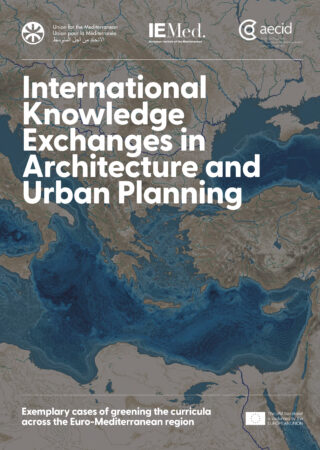
International Knowledge Exchanges in Architecture and Urban Planning

As Mediterranean cities confront unprecedented environmental, social, and spatial challenges nowadays, enhancing cooperation in knowledge production becomes more important than ever. Initiatives that connect public institutions, universities, practitioners and local communities across the region play a crucial role in shaping more resilient, inclusive and sustainable urban futures.

The experiences presented in this publication demonstrate how knowledge exchange can generate tangible benefits: empowering students and researchers, strengthening local capacities and facilitating innovative solutions rooted in the specific contexts of Mediterranean territories.

In this vein, this report contributes not only to improving educational practices but also to fostering a culture of dialogue and co-creation that is essential for addressing complex urban challenges. The UfM Urban Agenda and its Action Plan emphasised implementation mechanisms that foster science-policy interfaces, helping to connect acadEmic research with policy and practice.

This report constitutes one of the outcomes of the UfM Network of Schools of Architecture and Urban Planning of the Euro-Mediterranean Region, gathering schools across the region to exchange experiences and promote joint research and educational initiatives aimed at reinforcing regional cooperation.
Full Report PDF

Case Study 1

Climate Resilience Challenges In Mediterranean Coastal Cities: Insights From Tétouan, Venice, And Marseille

Case Study 2

A City Lab for Sustainable Urban Regeneration in Alexandria, Egypt

Case Study 3

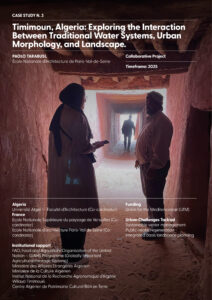
Timimoun, Algeria: Exploring the Interaction Between Traditional Water Systems, Urban Morphology, and Landscape

Case Study 4

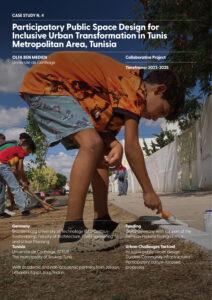
Participatory Public Space Design for Inclusive Urban Transformation in Tunis Metropolitan Area, Tunisia

Case Study 5

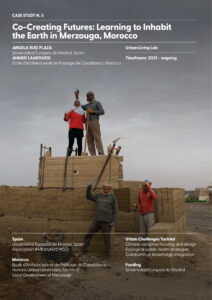
Co-Creating Futures: Learning to Inhabit the Earth in Merzouga, Morocco

Case Study 6

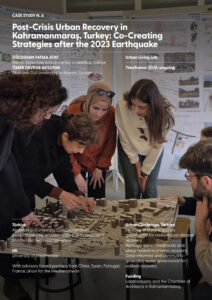
Post-Crisis Urban Recovery in Kahramanmaraş, Turkey: Co-Creating Strategies after the 2023 Earthquake

Case Study 7

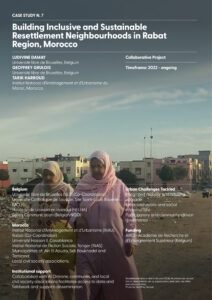
Building Inclusive and Sustainable Resettlement Neighbourhoods in Rabat Region, Morocco

Case Study 8

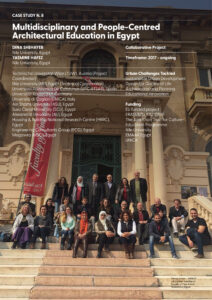
Multidisciplinary and People-Centred Architectural Education in Egypt

Case Study 9

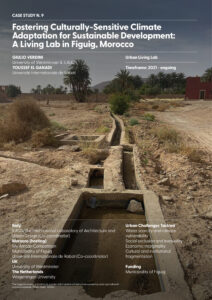
Fostering Culturally-Sensitive Climate Adaptation for Sustainable Development: A Living Lab in Figuig, Morocco

Case Study 10

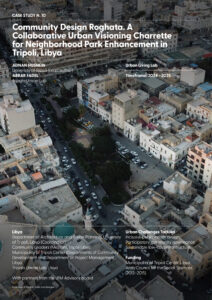
Community Design Roghata. A Collaborative Urban Visioning Charrette for Neighborhood Park Enhancement in Tripoli, Libya

“The experiences presented in this publication demonstrate how knowledge exchange can generate tangible benefits: empowering students and researchers, strengthening local capacities and facilitating innovative solutions rooted in the specific contexts of Mediterranean territories. In this vein, this report contributes not only to improving educational practices but also to fostering a culture of dialogue and co-creation that is essential for addressing complex urban challenges.”

Roger Albinyana
Managing Director
European Institute of the Mediterranean (IEMed)

“This report is intended to serve as a periodic mapping of regional initiatives, to encourage cooperation and knowledge exchange, while also highlighting context-specific approaches that address the challenges faced by cities and regions across Mediterranean countries, in a manner that respects their diverse cultural contexts.”

Victoria Jiménez
Head of Sector for Urban Development
Union for the Mediterranean

“The dense network of international collaborations across Mediterranean countries, mapped and analysed for the first time in a coherent report, shows how universities can act as durable bridges between knowledge and society, fostering inclusive and resilient urban transformation in the region. This potential can be strengthened by supporting the long-term continuity of these initiatives, monitoring and evaluating their local social and economic impacts, and ensuring wider knowledge circulation and greater equity within collaborative platforms.”

Giulio Verdini
University of Westminster & ILAUD
Lead Author

Share this

بتمويل مشترك من الاتحاد الأوروبي
  • من نحن
    • الدول الاعضاء
    • الهيكل التنظيمي
    • شركاء الاتحاد من أجل المتوسط
    • الخلفية
    • الشفافية والمسؤولية
      • المسؤولية والشفافية
  • الدور الذي نقوم به
    • التنمية الاقتصادية والتوظيف
    • التعليم العالي و البحث
    • الشئون الاجتماعية و المدنية
    • المياه و البيئة والاقتصاد الأزرق
    • النقل و التنمية الحضرية
    • الطاقة والمناخ
  • بناء الجسور عبر المتوسط
    • يوم المتوسط
    • العواصم المتوسطية للثقافة والحوار
  • كيف نعمل
    • المرجعية السياسية
    • المنصات الإقليمية
    • مشاريع و مبادرات
  • اعمل معنا
    • وظائف شاغرة
    • الموظفين المعارين
    • فرص التدريب الداخلية
    • المشتريات
    • قائمة الخبراء
  • مركز المعلومات
    • ركن الصحافة
    • الأخبار
    • جدول الأعمال
    • إصدارات
    • القصص الإنسانية
  • للاتصال بنا
  • English
  • Français
  • العربية
  • English
  • Français
  • العربية
الاتحاد من أجل المتوسط ​​

We are using cookies to give you the best experience on our website.

You can find out more about which cookies we are using or switch them off in .

Powered by  GDPR Cookie Compliance
Privacy Overview

This website uses cookies so that we can provide you with the best user experience possible. Cookie information is stored in your browser and performs functions such as recognising you when you return to our website and helping our team to understand which sections of the website you find most interesting and useful.

Strictly Necessary Cookies

Strictly Necessary Cookie should be enabled at all times so that we can save your preferences for cookie settings.

Analytics

This website uses Google Analytics to collect anonymous information such as the number of visitors to the site, and the most popular pages.

Keeping this cookie enabled helps us to improve our website.