• English
  • Français
  • العربية
Follow us
Union for the Mediterranean – UfMUnion for the Mediterranean – UfMUnion for the Mediterranean – UfMUnion for the Mediterranean – UfM
  • Who we are
    • The Union for the Mediterranean is an intergovernmental institution bringing together the European Union Member States and 16 countries from the Southern and Eastern shores of the Mediterranean to promote dialogue and cooperation.

      OVERVIEW   

    • Who we are

      • Member States
      • Meet the team
      • Partners
      • History

      Transparency and accountability

      • Transparency and access to information
      • Investigating fraud, corruption and misconduct
    • Key documents

      UfM Institutional Brochure UfM How we work

      More documents   

  • What we do
    • The UfM seeks to enhance regional cooperation, dialogue and the implementation of concrete projects and initiatives with tangible impact on our citizens to address three strategic objectives: human development, stability and integration.

      OVERVIEW   

    • Inclusive development

      • Economic Development and Employment
      • Higher Education & Research
      • Social & Civil Affairs

      Sustainable development

      • Water, Environment and Blue Economy
      • Transport & Urban Development
      • Energy & Climate Action

      Initiatives that build bridges

      • Day of the Mediterranean
      • Mediterranean Capitals of Culture and Dialogue
    • How we work

      • Policy Frameworks
      • Regional Platforms
      • Projects and Initiatives
  • Work with us
    • The UfM Secretariat is the operational platform of the Union for the Mediterranean. The staff of the UfM is made of more than 17 nationalities working in a multicultural environment that fosters cooperation and intercultural communication and exchange.

    • Work with us

      • Vacancies
      • Secondments
      • Internships
      • Procurement
  • Info centre
    • Find our latest press releases, press invitations, visual identity, key institutional documents, photos and other relevant information


      DOWNLOAD THE UfM VISUAL IDENTITY GUIDELINES AND LOGOS (ZIP FILE)   

    • Info centre

      • Media corner
      • News
      • Agenda
      • Publications and key documents
      • Stories of Euro-Mediterranean Cooperation
    • UfM in the Media

      9 May 2026 – Agence Europe (EN) – The fire season that never ends – by Joan Borrell Mayeur
      View article
      9 May 2026 – Agence Europe (FR) – Une saison des feux qui n’en finit pas – par Joan Borrell Mayeur
      View article
      7 May 2026 – Al-Dustour – حرائق غابات المتوسط على وشك أن تبدأ مجدداً… بلا حدود
      View article
  • Contact

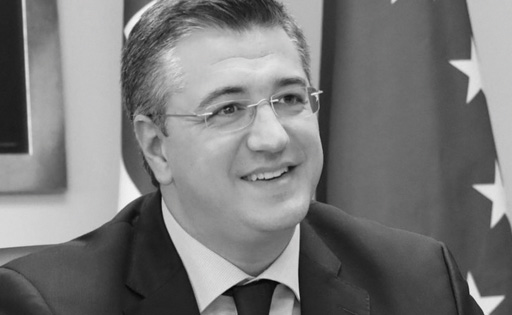
Apostolos Tzitzikostas
Better future for the Euro-Mediterranean region continues to inspire

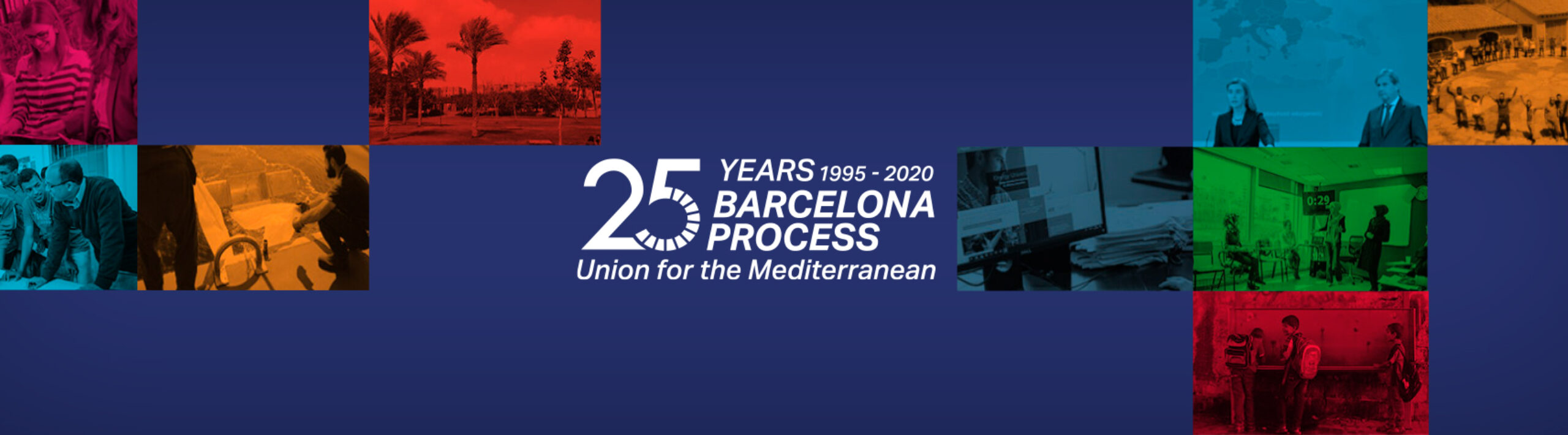
25 years ago, the ministers of foreign affairs of the EU and 12 southern and eastern Mediterranean countries set out to build a common area of peace and stability, to construct a zone of shared prosperity and to promote a real social, cultural and human partnership through the Barcelona Process. This great diplomatic success, achieved in a spirit of partnership and multilateralism, was a bold and inspiring move following the encouraging outcome of the Oslo peace process, marking the beginning of a season of dialogue.

While we must acknowledge that many of the Barcelona Process goals have yet to be achieved, promoting a better future for the Euro-Mediterranean region continues to move and inspire us today. The Barcelona Process was subsequently enhanced by the recognition of its innovative territorial dimension, created by mayors and regional leaders working together to raise the profile of the projects carried out by the Union for the Mediterranean.

Today, faced with the COVID-19 pandemic on the one hand and the climate emergency on the other, we are again reminded of how interconnected we are, and we need to make bold and inspiring moves. We need to step ahead together to promote a better future for the Euro-Mediterranean region. The economy all around the Mediterranean has been gravely hit. The important tourism sector has been one of the most affected areas and there has been a significant impact on the local economy throughout the three shores of the Mediterranean Sea. In addition, climate change is severely threatening health, food security, water resources, ecosystems and livelihoods in the Mediterranean. Neither the pandemic nor global warming know any borders. Only cooperation can secure a way out of this double crisis.

All levels of government are mobilised to mitigate the effects of COVID-19, starting with those closest to citizens. Local and Regional leaders have been on the frontline of response and recovery measures to protect and help their citizens, to guarantee basic and health services, to help protect jobs, and to support SMEs. Likewise, in the field of climate policy, local and regional authorities have a crucial role to play in fostering behavioural change, and mobilising local communities and businesses for climate action. In initiatives like the Global Covenant of Mayors, they foster a bottom-up approach to climate action in which communities make ambitious pledges in exchange for technical support.

None of the policies that are needed now for a successful transformation, for truly sustainable development in our common Euro-Mediterranean region, are implemented in a void. All politics are also local. This is why the European Committee of the Regions, together with associations of local and regional authorities, set up the Euro-Mediterranean Regional and Local Assembly (ARLEM) in 2010 to ensure that the UfM’s sectoral policies include a territorial dimension and to bring the voice of local and regional authorities from the three shores of the Mediterranean to the table of Euro-Mediterranean decision-makers. The aim is also to promote local democracy, encourage North-South and South-South dialogue as well as to exchange good practices between local and regional authorities and act as a platform for cooperation.

In the ten years of its existence, ARLEM has enjoyed fruitful cooperation with the Union for the Mediterranean secretariat established in the same year. Recent activities include promoting youth entrepreneurship for sustainable territorial development, and fostering the creation of favourable local entrepreneurial ecosystems to that end, encouraging the full involvement of women and young people through the ARLEM award – Young local entrepreneurship in the Mediterranean.

Furthermore, through the “Nicosia initiative of cooperation with Libyan municipalities” launched at its plenary session in Nicosia in 2016, ARLEM demonstrated how peer-to-peer cooperation can help to better provide basic services to citizens in a context of instability, economic crisis and state fragility. Those encouraging results highlight the contribution that cities and regions can make to successful cooperation in the Mediterranean.

The lesson we need to draw from the double pandemic and climate crisis is that there is no North and South. The challenges we are faced with today cut across borders and those lines – they concern humanity as a whole. Everyone has to learn from each other and all levels of governance have a full role to play. Regions and cities remain committed and ready both to play their own particular role and to contribute to the efforts of the Union for the Mediterranean, to ensure a better future for our citizens.

Who we are

  • Member States
  • Meet the team
  • Partners
  • History
  • Transparency and accountability
  • Transparency and access to information
  • Investigating fraud, corruption and misconduct

What we do

  • Economic Development & Employment
  • Higher Education & Research
  • Social & Civil Affairs
  • Water, Environment and Blue Economy
  • Transport & Urban Development
  • Energy & Climate Action
  • Day of the Mediterranean
  • Mediterranean Capitals of Culture and Dialogue

How we work

  • Policy Framework
  • Regional Platforms
  • Projects and Initiatives

Work with us

  • Vacancies
  • Secondments
  • Internships
  • Procurement

Info centre

  • Media corner
  • News
  • Agenda
  • Publications and key documents
  • Stories of Euro-Mediterranean Cooperation
  • Photo gallery
  • Video gallery
Co-financed by the European Union
  • Who we are
    • Member States
    • Meet the team
    • Partners
    • History
    • Transparency and accountability
      • Transparency and access to information
      • Investigating fraud, corruption and misconduct
  • What we do
    • Economic Development and Employment
    • Higher Education & Research
    • Social & Civil Affairs
    • Water, Environment and Blue Economy
    • Transport & Urban Development
    • Energy & Climate Action
  • Initiatives that build bridges
    • Day of the Mediterranean
    • Mediterranean Capitals of Culture and Dialogue
  • How we work
    • Policy Framework
    • UfM Regional Platforms
    • Projects and Initiatives
  • Work with us
    • Vacancies
    • Secondments
    • Internships
    • Procurement
    • Roster of experts
  • Info centre
    • Media center
    • News
    • Agenda
    • Publications and key documents
    • Human Stories of the Mediterranean
  • Contact
  • Social media
    • Facebook
    • Twitter
    • Youtube
    • Linkedin
    • Flickr
  • English
  • Français
  • العربية
  • English
  • Français
  • العربية
Union for the Mediterranean – UfM


We are using cookies to give you the best experience on our website.

You can find out more about which cookies we are using or switch them off in .

Powered by  GDPR Cookie Compliance
Cookies Overview

This website uses cookies so that we can provide you with the best user experience possible. Cookie information is stored in your browser and performs functions such as recognising you when you return to our website and helping our team to understand which sections of the website you find most interesting and useful.

Read more

Strictly Necessary Cookies

Strictly Necessary Cookie should be enabled at all times so that we can save your preferences for cookie settings.

3rd Party Cookies

This website uses Google Analytics to collect anonymous information such as the number of visitors to the site, and the most popular pages.

Keeping this cookie enabled helps us to improve our website.