

Empowering Women-Led enterprises for Digital Transformation and e-commerce in Palestine
Context and objectives
Palestine faces significant challenges in women’s economic participation. Female labour force participation is around 19%, compared to 71% for men, and women own only about 10% of businesses, mostly small-scale and informal. Access to finance is also unequal, with only 15% of women-owned businesses receiving formal credit, versus 29% for men. These barriers, combined with restrictive social norms and limited digital infrastructure—especially in rural areas—make it difficult for women to benefit from digital transformation.
The project Empowering Women-Led enterprises for Digital Transformation and e-commerce in Palestine addresses these systemic challenges by equipping women entrepreneurs with essential digital and entrepreneurial skills, providing toolkits and resources to support sustained e-commerce adoption, and advocating for policy reforms to improve the regulatory environment. It combines training, networking, and advocacy to empower women-led enterprises, enhance their competitiveness, and expand their participation in the digital economy.
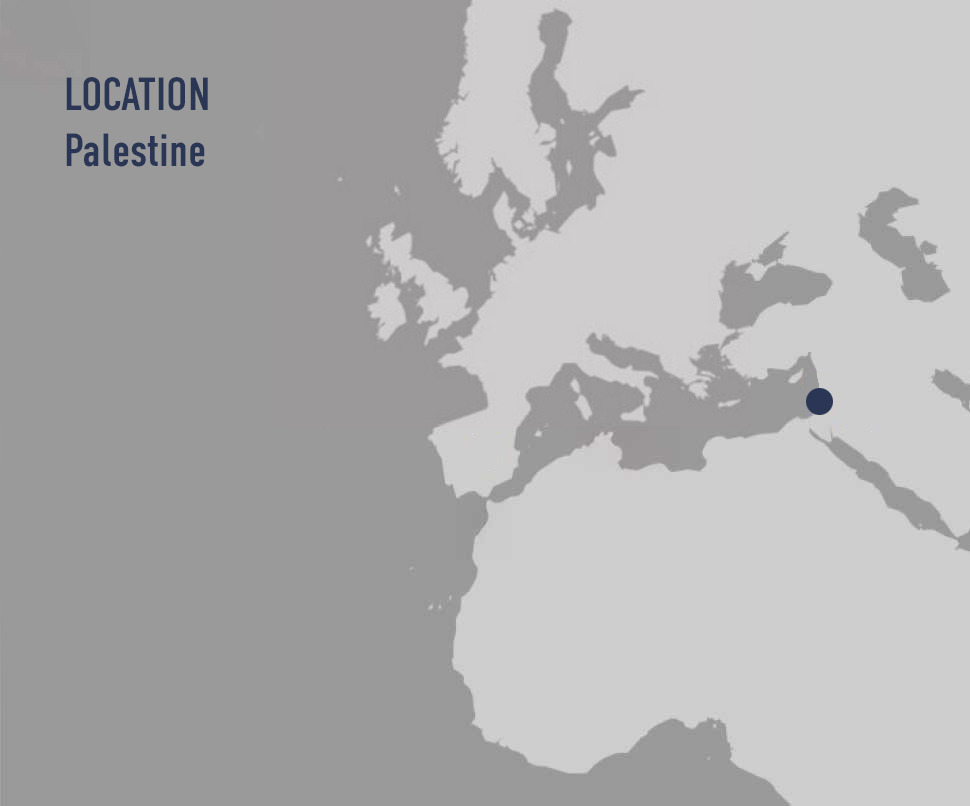
Location
Key figures
Duration:
12 months
Countries:
1
Budget for the action:
EUR 305,699
Grant awarded:
EUR 244,499
Promoter
Palestine Polytechnic University (PPU)
Founded in 1978, Palestine Polytechnic University (PPU) is a non-profit higher education institution based in Hebron. Through its Business Incubator, established in 2007, PPU has become a national leader in fostering entrepreneurship, eco-friendly innovation, and social impact. The incubator has provided over 11,700 hours of training to more than 7,200 beneficiaries, incubated or accelerated over 500 projects, and created more than 500 jobs. Notably, more than 70% of its incubated projects have been women-led.
PPU leverages its incubator to empower women entrepreneurs by offering tailored training, policy advocacy, and access to resources. Its mission is to strengthen the entrepreneurial ecosystem in Palestine, with a strong focus on women’s inclusion, green innovation, and market expansion. Within this project, PPU leads the coordination, training, and advocacy components.

Beneficiaries
- 50 women-led enterprises (from sectors such as embroidery, crafts, IT, translation services, and art). Of whom, 20 selected entrepreneurs selected for advanced training and support to establish or expand e-commerce businesses.
- Families and local communities benefiting indirectly from increased incomes, jobs, and economic growth driven by women entrepreneurs.
Key actions
Needs assessment and baseline survey to identify digital gaps and policy barriers for women-led enterprises.
Digital skills training: 60 hours of foundational e-commerce and online marketing training for 50 women-led enterprises.
Advanced e-commerce training: 100 hours of specialised training for 20 selected entrepreneurs to strengthen cross-border trade and growth.
Digital toolkits providing guides, templates, and practical resources for ongoing e-commerce engagement.
Policy advocacy: two in-person advocacy workshops and multiple online consultations, leading to a policy recommendations report.
Networking and partnership events: two major events and five new partnerships linking women-led enterprises with investors, platforms, and business associations.
Monitoring and evaluation: continuous tracking, mid-term reviews, and final assessment to ensure sustainability and accountability.
Expected results
Stronger digital competencies among at least 50 women-led enterprises.
20 women entrepreneurs equipped with advanced e-commerce strategies, business plans, and digital marketing skills.
Policy reforms advocated, improving the regulatory environment for women-led businesses in Palestine.
Practical resources (toolkits) supporting the continued adoption of digital trade.
At least five new partnerships established with e-commerce platforms and investors.
30% average increase in revenue projected for businesses supported under the project.
Enhanced gender equality and stronger local economies through the empowerment of women entrepreneurs.

