UfM Working Groups: Volunteers in Civil Protection and Engaging citizens in Disaster Risk Management
· The emergency situations the Euro-Mediterranean region faces are common and have cross-border implications, which require a joint effort and a common agenda on disaster risk management at regional and sub-regional levels.
· Since the general public plays an important role in risk prevention and preparedness for emergencies, citizens can be the first responders to disasters. The involvement of citizens in disaster risk management is a key factor to save lives, particularly for vulnerable groups.
· Investing in youth and trained volunteers as a driving force for community service are crucial elements to build solidarity and resilience among societies. Digital and physical volunteers can play a vital role during a whole cycle of an emergency.
19-20 October, 2020. The crises and challenges that Euro-Mediterranean countries face are common and have cross-border implications. A major concern with regards to current disasters is to enhance the resilience and awareness of all involved actors.
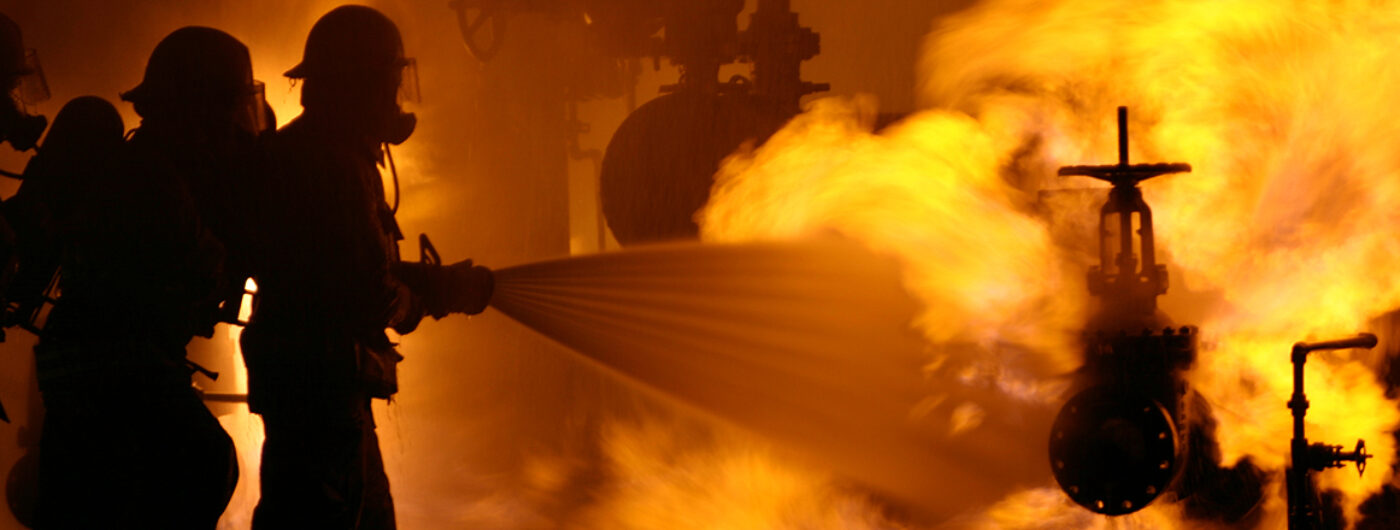
With an increasing number of forest fires, floods, marine pollution, tsunamis, pandemics, explosions, nuclear incidents whether natural or man-made catastrophes, greater understanding and cooperation are needed to strengthen civil protection and disaster risk management. Responding to simultaneous and multiple actions among populations during disasters by the Civil Protection authorities or other international organisations have proven that the mobilisation of volunteers has been key in many countries. Following the proposed recommendations of the Third Meeting of the Civil Protection Directors-General of the UfM (Barcelona, February 2019), a two-day online preparatory working groups were held to discuss the themes “Volunteers in Civil Protection” and “Engaging citizens in disaster risk management”. These UfM Working Groups were jointly organised with the European Commission, Directorate-General for European Civil Protection and Humanitarian Aid Operations (DG ECHO). The working groups brought together around 100 participants from UfM Civil Protection partner countries, as well as other regional partners and international organisations to identify common challenges, strategies, share best practices, lessons learned, and identify priority actions at national, sub-regional and regional levels, addressing both policy and capacity building.
Mr. Ilkka Salmi, Director Preparedness and Prevention (DG ECHO B) and Acting Director, Emergency Management (DG ECHO A), opened the working groups underlining that disasters do not stop at borders, and hence the need to have systems in place enabling coordinated international assistance, being the UCPM a case in point. He used the Beirut explosion and the COVID-19 pandemic are reminders of the need to continue strengthening our cooperation mechanisms in order to improve the assistance in emergency situations. Mr. Salmi concluded his remarks with acknowledging the key role the UfM can play in this area, as a platform for dialogue on Civil Protection.
In the introductory remarks for both working groups, the UfM Deputy Secretary General for Social and Civil Affairs, Marisa Farrugia underlined the importance of strengthening regional cooperation and promoting participation of the community in operations to improve health and well-being of the citizens. She stated that “Voluntary work and support to our communities especially during crises and emergencies in not only noble but priceless”.
The first working group focused on the role of volunteers as a key factor to reinforce the action of public emergency services. Experts mentioned the importance of close coordination between the government, scientific and private sector as a solution to manage disasters on national level. Cooperation within the Region should be enhanced in order to have coordinated responses in the Mediterranean Basin. On both levels the current technological developments play a key role in facilitating effective communication during emergencies. The main highlights were: – the need to develop local first response networks; – better/new communication tools to reach population and raise awareness, including women and vulnerable people; – have in place operational and legal framework in Disaster Risk Management (DRM), including marine pollution; – improve training and introduce new technological tools to volunteers; – include in the school curricula educational programmes on risk awareness and voluntary role in disaster management; – develop mechanisms and sufficient resources to retain the trained volunteers; – run joint exercises and inter-regional projects; – improve further the volunteer networks.
The second working group focused on the importance of risk communication as a crucial tool to involve and prepare citizens for emergencies and build resilient societies. All speakers highlighted the importance of building citizen’s trust in local governments and authorities. Experts agreed that a well-informed and aware population has a greater chance to survive in the face of a disaster. The main converging points were on identifying and developing action-based attractive methodologies that involve all sectors of society, including youth, people with disabilities and the elderly. The main elements that emerged during the discussions were: – the importance of investing in youth as crucial to build resilient and engaged societies; that risk communication is a key component of DRM; – diversifying channels of communication to include the population not only using social media; – involving young people from early on, developing “skills for life”; – including local authorities in risk communication and strengthen multi sectorial exchanges, including scientific sector; – organising joint exercises, drills and awareness campaigns including private and educational sectors; – creating a legal framework for using social media and preventing fake news; – developing joint projects and tools/methodologies attractive for all society, in particular for youth. Digital Jedi Volunteers are key in combatting rumors and misinformation as well as, in monitoring and fact checking the available information. In marine pollution, risk communication should engage also with coastal communities and civil society.
Cross-border, regional and international cooperation remains essential for exchanging good practices and identifying common challenges. The enriching outcomes of the two-day working groups will set actions to be discussed at the 2021 meeting. The working groups will report to the Senior Officials their conclusions and agreed Action Plans. In the light of this progress, another Director-Generals meeting may be organised in Barcelona if conditions permit.
Documentation
English
Final report UfM WG Engaging Citizens in DRM
Final report UfM WG Volunteers
Agenda: Preparatory Working Group meeting : Volunteers in Civil Protection
Agenda: Preparatory Working Group meeting : Engaging citizens in disaster risk management
Final Report UfM WG Engaging Citizens in DRM
Final Report UfM WG Volunteers
French
Rapport Final – Participation des citoyens à la gestion des risques de catastrophe
Rapport Final – Volontaires de la protection civile
Ordre du jour : Réunion préparatoire du groupe de travail : «Volontariat en protection civile »
Ordre du jour : Réunion préparatoire du groupe de travail : « Engagement civique et citoyen en gestion des risques et des catastrophes »
Arabic
Final report UfM WG Engaging Citizens in DRM
Final report UfM WG Volunteers
Presentations
Presentations on Civil Protection Volunteers
Presentations on Engaging Citizens in Disaster Management Risk
Related content