• English
  • Français
  • العربية
Follow us
Union for the Mediterranean – UfMUnion for the Mediterranean – UfMUnion for the Mediterranean – UfMUnion for the Mediterranean – UfM
  • Who we are
    • The Union for the Mediterranean is an intergovernmental institution bringing together the European Union Member States and 16 countries from the Southern and Eastern shores of the Mediterranean to promote dialogue and cooperation.

      OVERVIEW   

    • Who we are

      • Member States
      • Meet the team
      • Partners
      • History

      Transparency and accountability

      • Transparency and access to information
      • Investigating fraud, corruption and misconduct
    • Key documents

      UfM Institutional Brochure UfM How we work

      More documents   

  • What we do
    • The UfM seeks to enhance regional cooperation, dialogue and the implementation of concrete projects and initiatives with tangible impact on our citizens to address three strategic objectives: human development, stability and integration.

      OVERVIEW   

    • Inclusive development

      • Economic Development and Employment
      • Higher Education & Research
      • Social & Civil Affairs

      Sustainable development

      • Water, Environment and Blue Economy
      • Transport & Urban Development
      • Energy & Climate Action

      Initiatives that build bridges

      • Day of the Mediterranean
      • Mediterranean Capitals of Culture and Dialogue
    • How we work

      • Policy Frameworks
      • Regional Platforms
      • Projects and Initiatives
  • Work with us
    • The UfM Secretariat is the operational platform of the Union for the Mediterranean. The staff of the UfM is made of more than 17 nationalities working in a multicultural environment that fosters cooperation and intercultural communication and exchange.

    • Work with us

      • Vacancies
      • Secondments
      • Internships
      • Procurement
  • Info centre
    • Find our latest press releases, press invitations, visual identity, key institutional documents, photos and other relevant information


      DOWNLOAD THE UfM VISUAL IDENTITY GUIDELINES AND LOGOS (ZIP FILE)   

    • Info centre

      • Media corner
      • News
      • Agenda
      • Publications and key documents
      • Stories of Euro-Mediterranean Cooperation
    • UfM in the Media

      9 May 2026 – Agence Europe (EN) – The fire season that never ends – by Joan Borrell Mayeur
      View article
      9 May 2026 – Agence Europe (FR) – Une saison des feux qui n’en finit pas – par Joan Borrell Mayeur
      View article
      7 May 2026 – Al-Dustour – حرائق غابات المتوسط على وشك أن تبدأ مجدداً… بلا حدود
      View article
  • Contact
DOWNLOAD THE ANNUAL REPORT

2025: Why cooperation mattered

SG message

2025: Why cooperation mattered

Investing in people and societal resilience

Turning cooperation into opportunities

Featured report: 2nd UfM Progress Report on Regional Integration

Acting together on shared global challenges

Call to action

In 2025, the Mediterranean was shaped by intensifying geopolitical instability, protracted conflicts and accelerating climate pressures, testing the foundations of regional cooperation. Against this backdrop, the UfM Annual Report documents how the region’s 43 Member States reaffirmed cooperation as both a strategic choice and a practical necessity.

It presents the year’s key political milestones and concrete initiatives, from the adoption of a renewed Strategic Vision to action across employment, resilience and sustainability. Structured in two parts – first, the political significance of the year, and second, the impact delivered on the ground – the report shows how dialogue translates into results. At a time when fragmentation could prevail, these pages offer a clear perspective on what cooperation can achieve, and why it continues to matter.
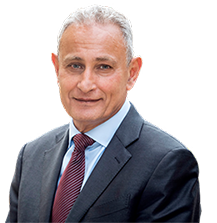
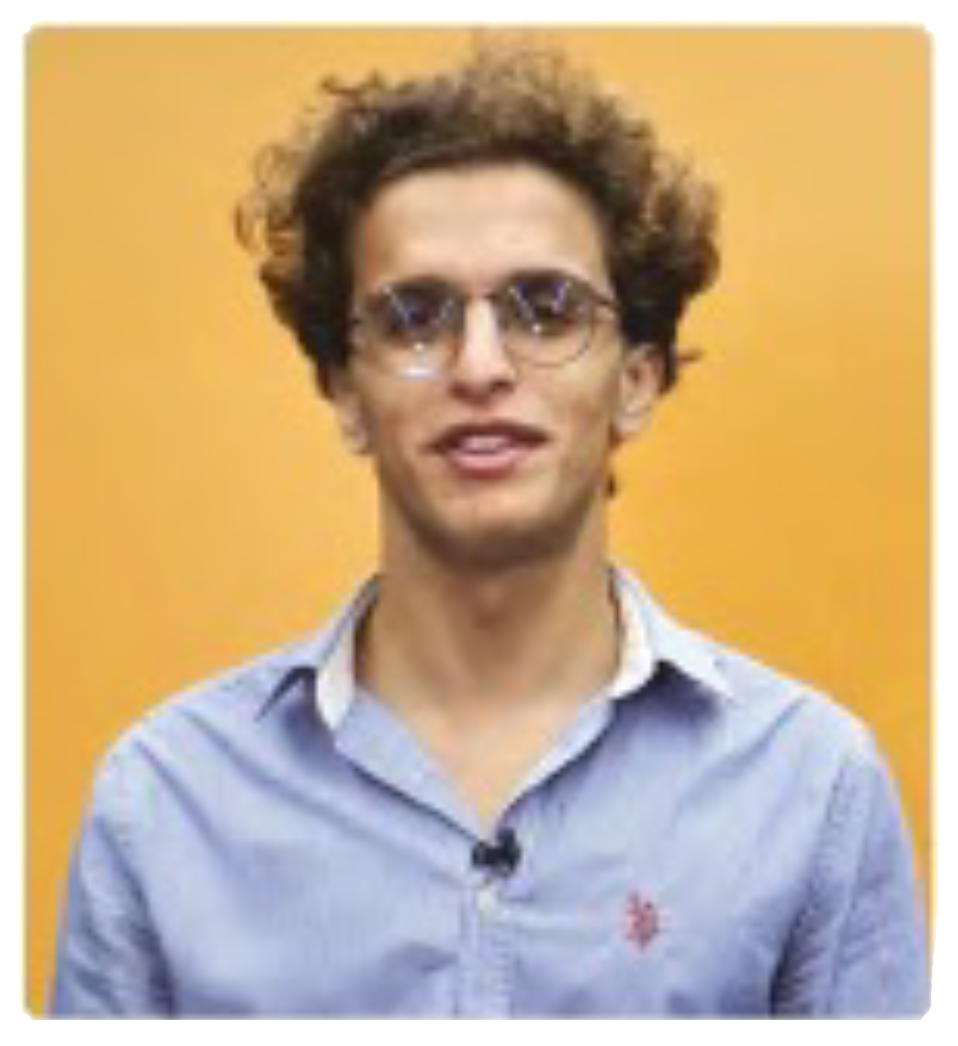
Message from our Secretary General

Nasser Kamel

In his message, the Secretary General reflects on a year marked by crisis and strategic renewal, reaffirming cooperation as a guiding principle for the region.

Read the message
Visit the SG page

2025: Why cooperation mattered

In 2025, the Union for the Mediterranean reached a defining moment, as the 30th anniversary of the Barcelona Process became not only a milestone of reflection, but a catalyst for strategic renewal. At the 10th UfM Regional Forum, Foreign Ministers from all 43 Member States endorsed a new Strategic Vision, reaffirming multilateral cooperation as the foundation for stability, resilience and shared prosperity in a rapidly evolving geopolitical context.

This renewed direction builds on the Barcelona Process’ enduring premise – that the futures of both shores of the Mediterranean are inseparable – while setting a more focused and operational framework for the years ahead. As one key message from the report underlines: In a year marked by fragmentation and instability, the Mediterranean’s governments have not abandoned the idea of a shared future.

Beyond the ministerial level, initiatives such as the Day of the Mediterranean 2025 and the designation of Matera and Tétouan as the 2026 Mediterranean Capitals of Culture and Dialogue reinforced cooperation as a lived, societal process, connecting institutions with citizens across the region.

A shared direction for the Mediterranean

Building bridges beyond institutions

Investing in people and societal resilience

How does cooperation make societies more inclusive and resilient?

In 2025, the UfM advanced cooperation that strengthens inclusive, resilient societies by investing in people, addressing structural inequalities, and supporting those most affected by interconnected social, economic and environmental challenges.

Across the region, efforts focused on translating long-standing priorities into concrete mechanisms and partnerships. From the launch of the UfM Women, Peace and Security-Climate Network to initiatives supporting women in agri-food systems, cooperation increasingly addressed the intersection of gender, climate and economic resilience. At the same time, targeted actions promoted more inclusive labour markets, including advancing disability inclusion through a regional agenda and strengthening pathways to employment. Young people were placed at the centre of this approach, notably through the Med Youth Lab, where participants developed practical solutions to regional challenges while building skills, networks and opportunities for engagement.

When it comes to facing natural and man-made disasters, the development of the UfM Civil Protection Action Plan 2030, alongside the 2nd Euro-Mediterranean Workshop on Wildfires and the Regional Resilience and Recovery Conference, illustrated the growing emphasis on prevention, early warning and coordinated response to disasters that do not stop at borders. Together, these initiatives reflect a shift from dialogue to implementation – embedding social resilience as a core pillar of regional cooperation.

Zoom on: Med Youth Lab

Bringing together young people from across the Mediterranean, the Med Youth Lab empowers participants to co-create solutions to shared regional challenges, from climate adaptation to employment. Through training, mentorship and project development, it equips a new generation with the tools to turn ideas into impact.

Discover some of the youth-led project pitches of the UfM Med Youth Lab:

Abdeljalil Alobaide (Libya)
The Meridian Initiative

Raneem Kerish (Palestine)
Aispire Academy

Sylvie Aoun (Lebanon)
Seeds of the Future

Turning cooperation into opportunities

How does regional cooperation help create prospects for people and economies?

In 2025, the UfM strengthened regional cooperation to unlock economic opportunities, support job creation and foster more inclusive, sustainable growth across the Mediterranean.

Throughout the year, efforts focused on bridging the gap between policy and practice in labour markets and economic systems. The adoption of the UfM Action Plan on Employment and Labour 2026–2028 set a shared framework for job creation, skills development and improved access to employment, particularly for young people and vulnerable groups. Regional initiatives also brought education providers, employers and policymakers closer together to better align skills with market needs, including through dedicated dialogues on informality and the transition to formal employment.

Cooperation also advanced more inclusive economic participation, notably by supporting women entrepreneurs through targeted finance, capacity-building and regional networks, including the launch of a regional network of women’s business associations and the InspireHer Awards recognising innovation across the MENA region.

Beyond employment, the UfM advanced the region’s economic diversification agenda: a conference in Athens examined how tourism, which accounts for over 11% of employment across the Mediterranean, can generate quality jobs while remaining sustainable; the “From Research to Business“ initiative in Malta explored how scientific knowledge can be translated into innovation and growth; and the UfM Digital Transformation Conference in Bratislava examined skills, rights and the role of cities in a just digital transition. The year also saw the publication of the first Study on Governance Models of Mediterranean Ports, providing a shared evidence base for a sector that handles over 70% of the region’s freight traffic.

On trade and investment, the 7th UfM Trade and Investment Forum brought together over 120 participants to confront the structural barriers that continue to hold the Mediterranean back from its full economic potential, from regulatory fragmentation and insufficient investment readiness to the untapped opportunities of green energy and digital trade.

Zoom on: InspireHer Awards

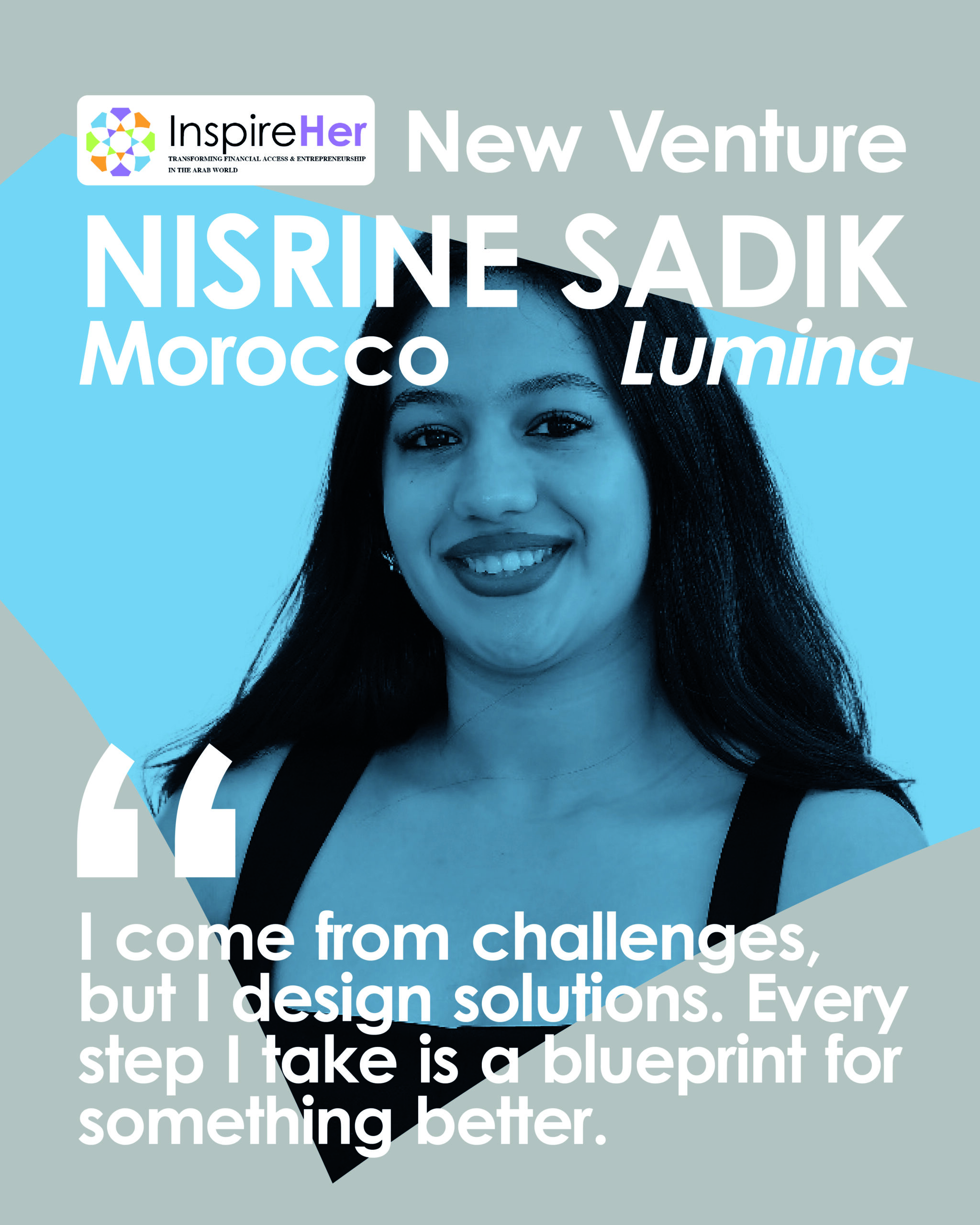
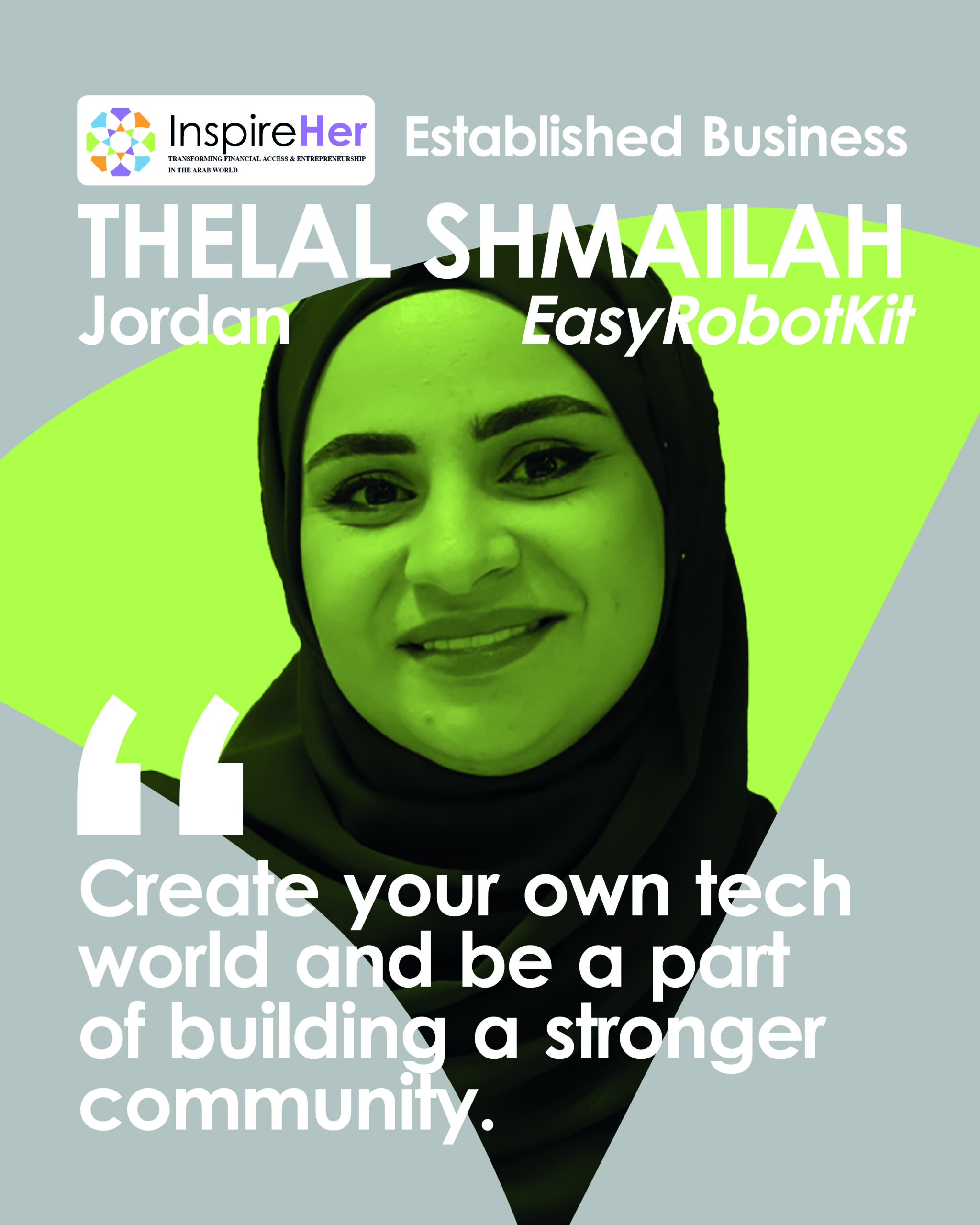
Celebrating innovation and impact, the InspireHer Awards recognise women entrepreneurs across the Mediterranean who are driving inclusive economic growth through creative, scalable solutions. From sustainable materials to digital platforms, the 2025 winners highlight the transformative potential of women-led businesses in the region.

Discover the winners:

Nisrine Sadik
Lumina, Morocco
New Venture Award

Thelal Alshamaileh
Easy Robot Kit, Jordan
Established Business Award

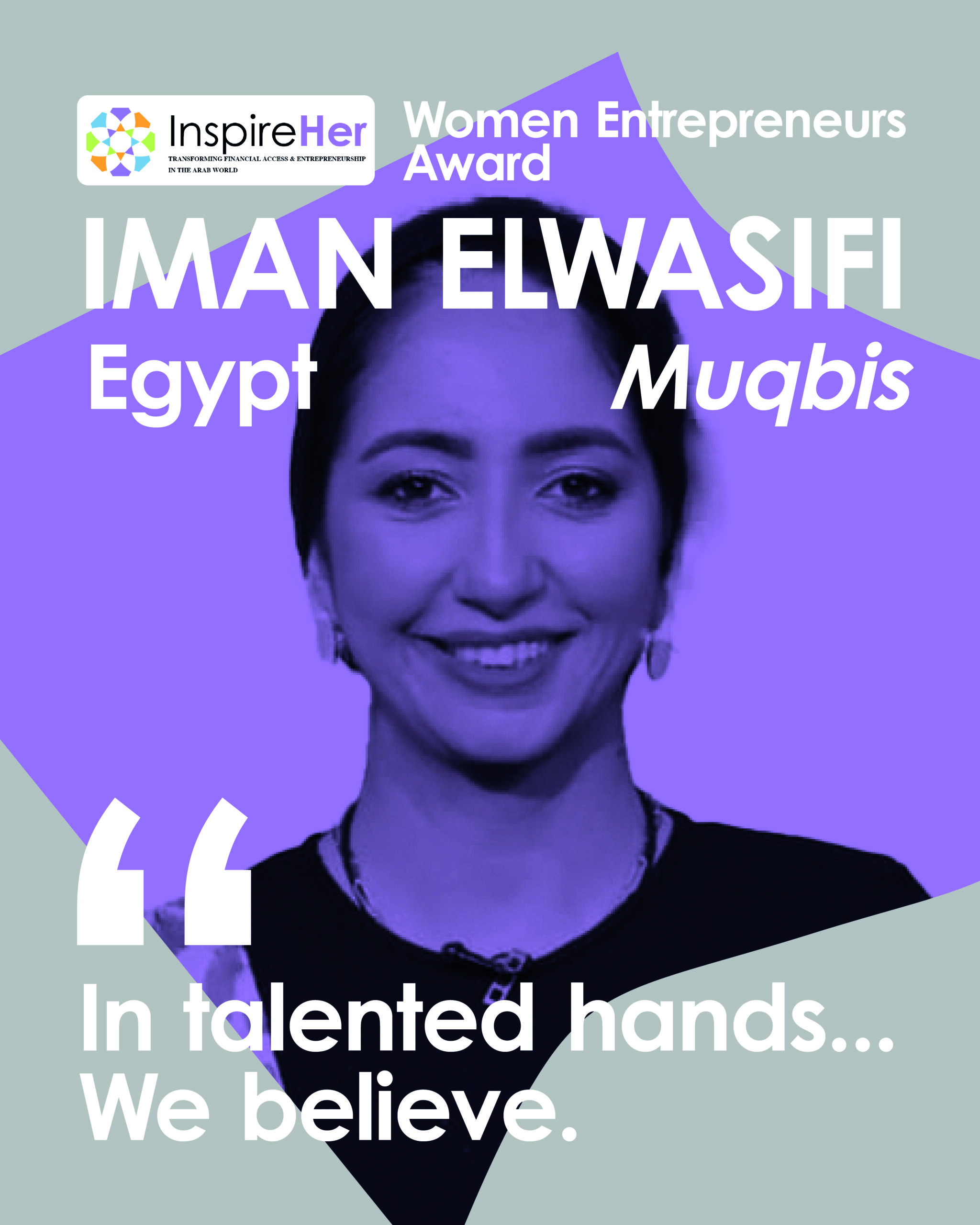
Iman Elwasifi
Muqbis, Egypt
Women Entrepreneurs Award

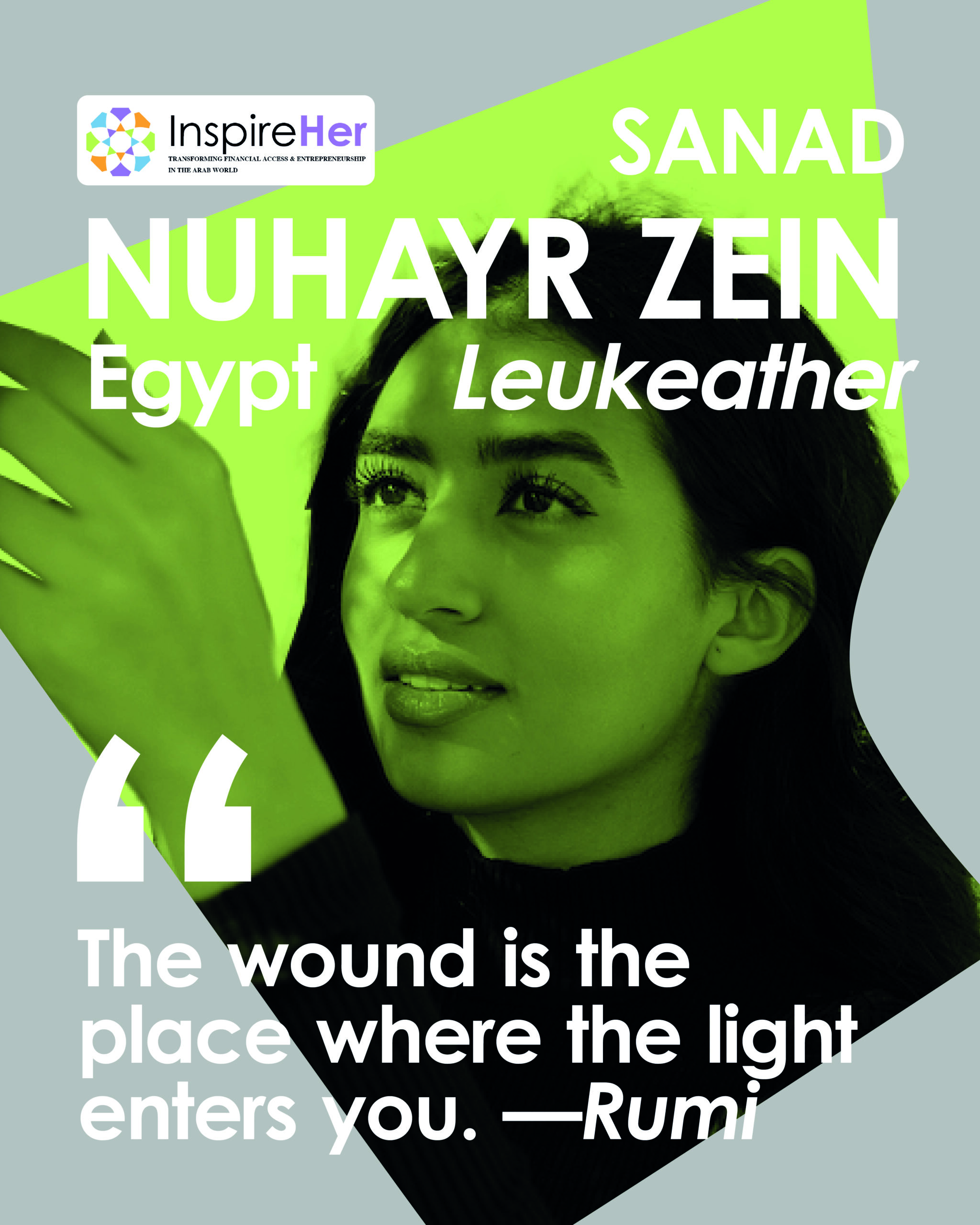
Nuhayr Zein
Leukeather, Egypt
SANAD Innovation Champion in Sustainability Award

Featured report: 2nd UfM Progress Report on Regional Integration

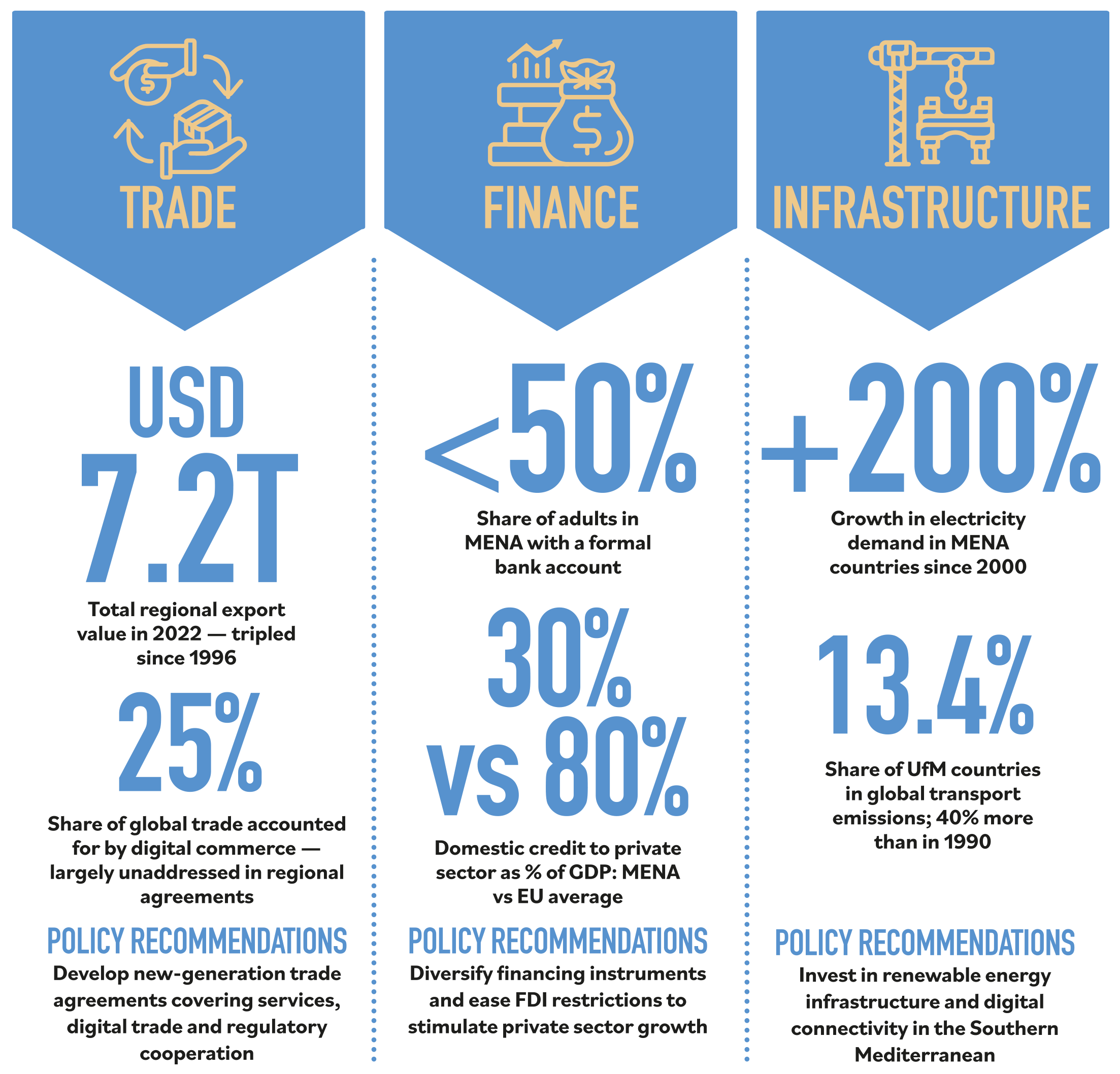
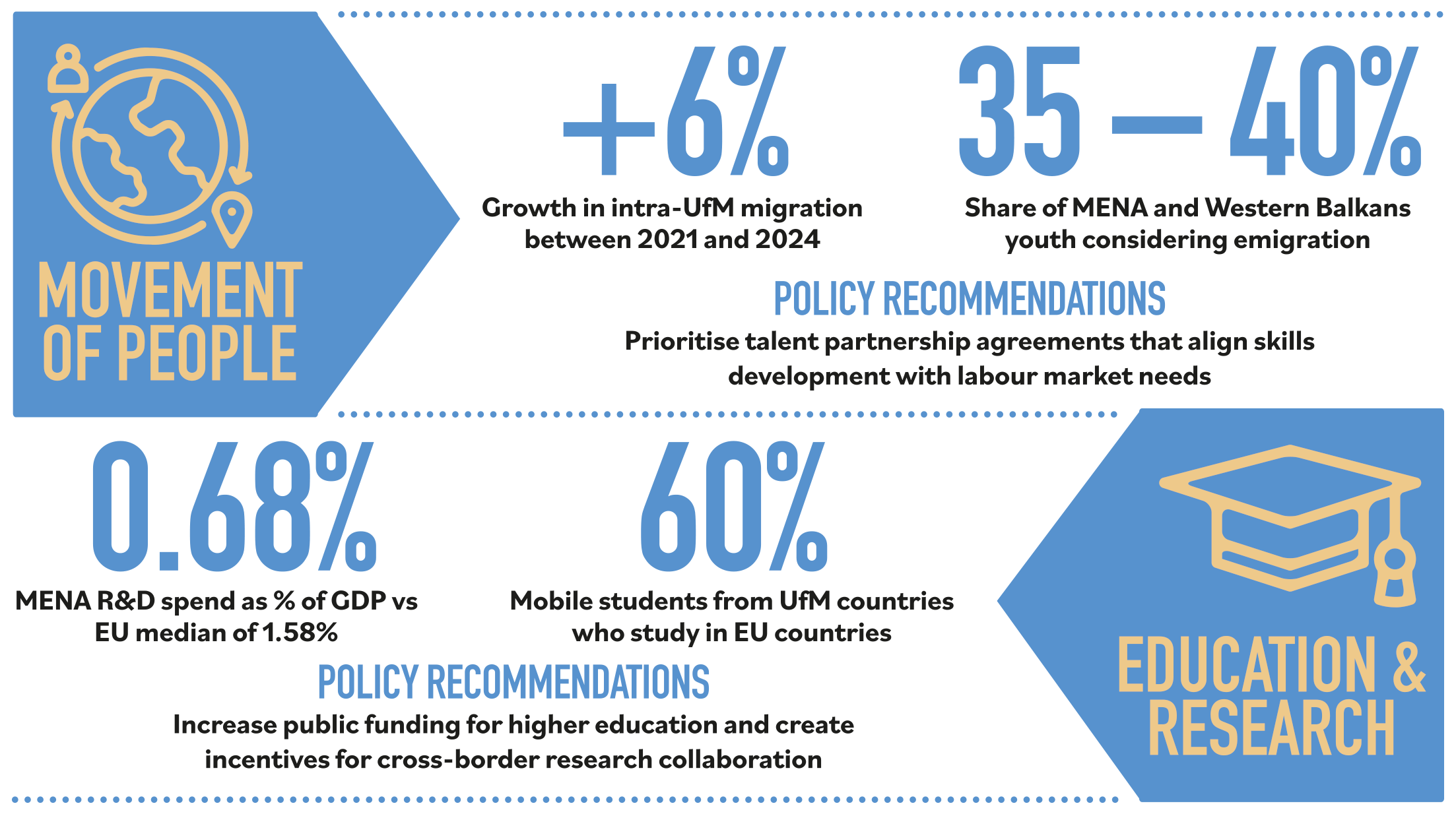
Published in 2025, the 2nd UfM Progress Report on Regional Integration provides the most comprehensive, data-driven assessment of economic interconnectedness across the Euro-Mediterranean region. Its central finding is clear: while integration is advancing, it remains significantly below its potential – limiting growth, investment and job creation at a time when greater cooperation is urgently needed.

Read the full report

Acting together on shared global challenges

How does the Mediterranean act together on issues that no country can solve alone?

In 2025, the UfM reinforced regional cooperation to address shared environmental and climate challenges, advancing coordinated responses in areas where no country can have an effective impact alone.

Across the Mediterranean, efforts focused on strengthening resilience to climate-related risks while accelerating the transition towards more sustainable systems. On energy and climate, the 5th UfM Energy and Climate Business Forum in Kuwait City opened new channels for Mediterranean-Gulf cooperation on green investment, while the 6th Annual Conference on Water Finance and Investment in Cairo advanced a set of nine regional priorities to close the financing gap for water infrastructure across the region. In the blue economy, the Blue Mediterranean Partnership unveiled its first concrete investments — an offshore wind farm in Morocco, coral reef restoration in Jordan, and a wastewater treatment facility serving 1.5 million people in Alexandria — demonstrating how targeted financing mechanisms can translate regional ambition into bankable projects.

The UfM also elevated the Mediterranean’s voice on the global stage. At COP30 in Belém, the third edition of the Mediterranean Pavilion hosted 25 high-level events over 12 days, presenting the latest MedECC scientific findings, including projections that up to 20 million people in coastal areas could face permanent displacement by 2100, and advancing concrete tools such as the MedBank Toolkit to improve climate investment readiness across the region. The launch of the Girona Manifesto and the Euromed University Initiative for Climate Action further positioned Mediterranean universities as active contributors to regional climate resilience.

Together, these actions reflect a more connected and operational model of cooperation, linking policy frameworks with concrete tools to address the region’s most pressing global challenges.

Zoom on: GET-MED – Grounded Ecological Transition for the Mediterranean

GET-MED supports locally driven ecological transition across the Mediterranean, promoting sustainable practices in areas such as energy, water and land use. By connecting local actors with regional frameworks, it helps translate climate ambition into practical, community-level solutions.

Going further

Discover how cooperation shaped the Mediterranean in 2025 – through strategic decisions, regional partnerships and concrete action on the ground.

Read the full report

Who we are

  • Member States
  • Meet the team
  • Partners
  • History
  • Transparency and accountability
  • Transparency and access to information
  • Investigating fraud, corruption and misconduct

What we do

  • Economic Development & Employment
  • Higher Education & Research
  • Social & Civil Affairs
  • Water, Environment and Blue Economy
  • Transport & Urban Development
  • Energy & Climate Action
  • Day of the Mediterranean
  • Mediterranean Capitals of Culture and Dialogue

How we work

  • Policy Framework
  • Regional Platforms
  • Projects and Initiatives

Work with us

  • Vacancies
  • Secondments
  • Internships
  • Procurement

Info centre

  • Media corner
  • News
  • Agenda
  • Publications and key documents
  • Stories of Euro-Mediterranean Cooperation
  • Photo gallery
  • Video gallery
Co-financed by the European Union
  • Who we are
    • Member States
    • Meet the team
    • Partners
    • History
    • Transparency and accountability
      • Transparency and access to information
      • Investigating fraud, corruption and misconduct
  • What we do
    • Economic Development and Employment
    • Higher Education & Research
    • Social & Civil Affairs
    • Water, Environment and Blue Economy
    • Transport & Urban Development
    • Energy & Climate Action
  • Initiatives that build bridges
    • Day of the Mediterranean
    • Mediterranean Capitals of Culture and Dialogue
  • How we work
    • Policy Framework
    • UfM Regional Platforms
    • Projects and Initiatives
  • Work with us
    • Vacancies
    • Secondments
    • Internships
    • Procurement
    • Roster of experts
  • Info centre
    • Media center
    • News
    • Agenda
    • Publications and key documents
    • Human Stories of the Mediterranean
  • Contact
  • Social media
    • Facebook
    • Twitter
    • Youtube
    • Linkedin
    • Flickr
  • English
  • Français
  • العربية
  • English
  • Français
  • العربية
Union for the Mediterranean – UfM


We are using cookies to give you the best experience on our website.

You can find out more about which cookies we are using or switch them off in .

Powered by  GDPR Cookie Compliance
Cookies Overview

This website uses cookies so that we can provide you with the best user experience possible. Cookie information is stored in your browser and performs functions such as recognising you when you return to our website and helping our team to understand which sections of the website you find most interesting and useful.

Read more

Strictly Necessary Cookies

Strictly Necessary Cookie should be enabled at all times so that we can save your preferences for cookie settings.

3rd Party Cookies

This website uses Google Analytics to collect anonymous information such as the number of visitors to the site, and the most popular pages.

Keeping this cookie enabled helps us to improve our website.